Golf ball selection can feel like a maze of technical jargon and marketing speak, but finding the right ball for your game is worth the effort. From the texture of the cover to what’s inside, every detail affects how the ball launches, spins, and rolls. I’ve tried out a variety of options over the years, and I’ll break down what’s what so you can make a choice that fits your style.
Golf Ball Basics: How Construction Impacts Performance
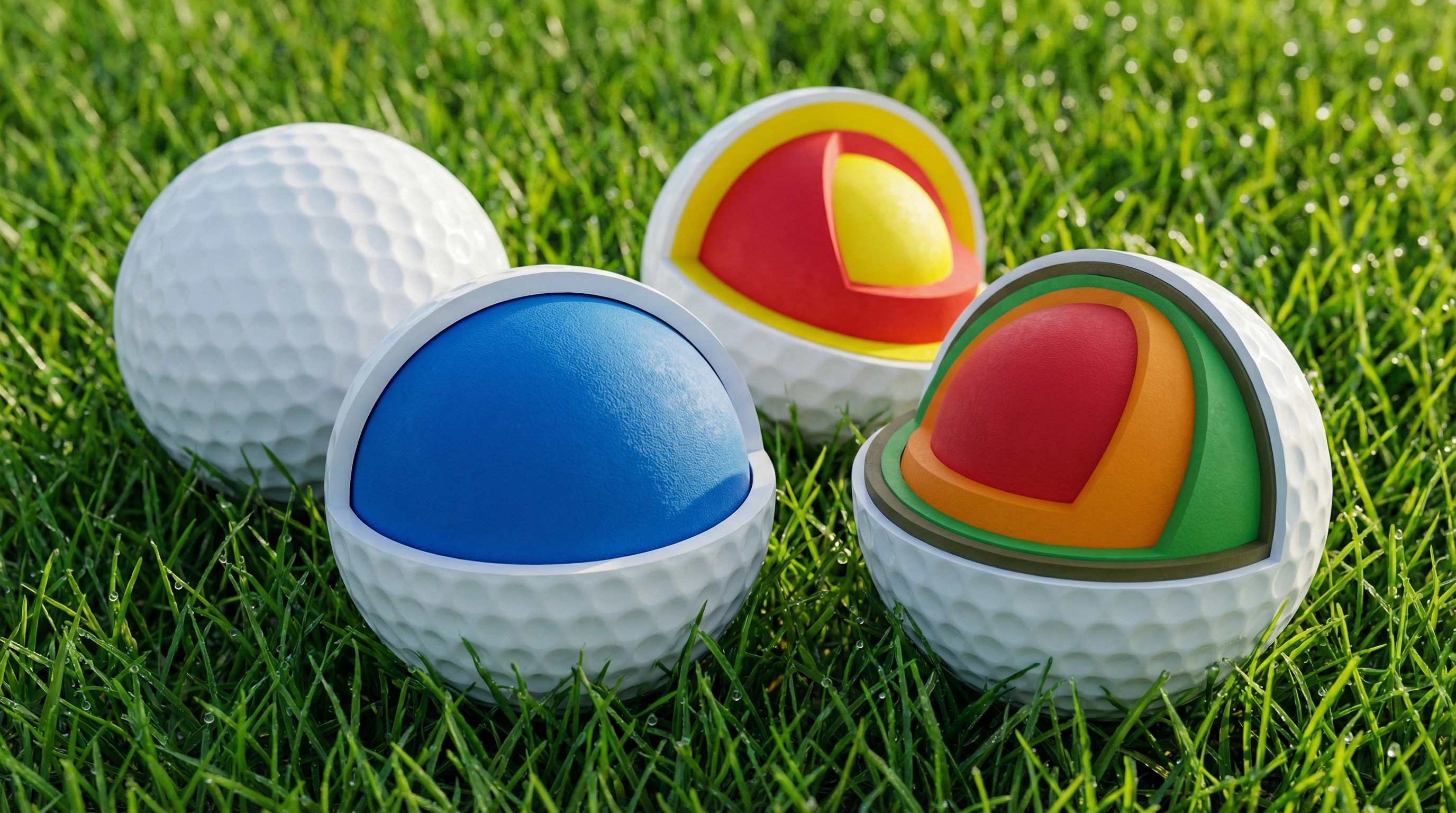
Golf balls are much more than just white orbs with dimples. Modern designs include a range of materials, multiple layers, and advanced features to suit different types of golfers. Knowing what’s inside can help you find something that matches your swing speed, launch preferences, and feel on the green.
The typical parts of a golf ball are:
- Core: The heart of the ball, usually made of synthetic rubber or resin. This is where compression comes into play.
- Inner Layers (Mantle): Some balls have extra layers designed to manage spin and create more distance.
- Cover: The outer shell, which is usually made of either ionomer or urethane, has the biggest role in feel and spin.
- Dimples: Affect the ball’s flight and stability through the air.
Understanding these parts makes it easier to chat with golf shop staff or make sense of the info on a box.
Compression: Picking the Right Number for Your Swing
Compression sounds technical, but it’s just about how much the ball squishes on impact. Lower compression balls are softer, squeezing more when hit, and higher compression balls feel firmer.
- Low Compression (Under 70): These work better for slower swing speeds or anyone who likes a soft feel and wants to squeeze out a little more distance. I’ve often recommended these to beginners or those with moderate swing speeds.
- Mid Compression (70-89): A bit firmer, and a nice “middle ground” for most weekend golfers.
- High Compression (90+): Built for faster swings, these balls can handle more force, keeping their shape for powerful players.
Swinging harder doesn’t always mean using the hardest ball. If you use a ball that matches your actual speed (not just what you wish it was), you’ll likely get better contact and more control.
Cover Materials: Urethane vs. Ionomer
The cover changes everything from durability to spin and feel. Most covers fall under two options: ionomer or urethane.
- Ionomer Covers: These are usually found on balls aimed at casual players. Super durable, often cheaper, and they tend to roll longer on the fairway. They don’t grip the clubface as much, so short-game spin will be less.
- Urethane Covers: This is the go-to for premium balls. They feel softer and help generate more spin on wedge shots and chips. If you’re working on stopping the ball quickly on the green or backing it up, urethane is worth checking out. They do scuff a bit more easily, so you might go through them a little faster.
The best pick comes down to what you prefer. I use urethane balls when playing on shorter or firmer greens because they help my approach shots stop faster. If I’m on a long, windier course, ionomer balls are nice for the extra roll. It’s worth experimenting if you aren’t sure which feels best to you.
Spin: Understanding the Options
Spin matters for everything from distance to stopping the ball where you want it.
- Low-Spin Balls: Designed to cut down sidespin and backspin, helping reduce slices or hooks. They’re great if you want to keep the ball flying straighter and squeeze out a bit more distance. These are forgiving, especially for beginners or high handicappers.
- Mid-Spin Balls: These try to blend distance and feel, giving you decent control around the greens without losing too much distance from the tee.
- High-Spin Balls: If you love shaping shots, drawing or fading, or you want to stop approach shots quicker, high-spin balls deliver. The trade-off is that they might exaggerate slices or hooks for players who already fight those issues.
Straight hitters with good control often enjoy experimenting with mid or high spin balls for more green-side action. If you’re still fighting a nasty slice, low spin might save you some frustration. Also, remember that playing different courses with varying green speeds can affect whether you favor more or less spin. I often switch things up depending on course conditions and what’s working for me at the time.
How to Match Golf Balls to Your Game
Now comes the practical part, actually choosing something that helps you play your best. Here’s how I size up options:
- Swing Speed: Slower swingers (below 90 mph driver speed) usually do better with low or mid compression balls. High swing speeds (over 100 mph) can maximize distance and control with higher compression balls.
- Your Usual Troubles: Slicing a lot? Try low spin balls. Struggling to get the ball to stop on the green? Consider urethane covers and higher spin.
- Feel Preference: Some people love a really soft feel on chips and putts; others like a firmer “click.” If you can, test putt a few in the pro shop or on a practice green.
- Price: It’s easy to get sucked into tour level pricing, but a lot of midrange balls perform almost as well for a lower cost. Losing a cheaper ball hurts less too.
- Skill Level and Goals: Beginners may benefit more from consistency and distance, while seasoned golfers might want tailored spin and precise feel based on their short game objectives.
Personal comfort and confidence matter as well, so listen to what feels best and don’t just follow what’s popular. Golf is an individual sport and the right ball can lift your confidence shot after shot.
Common Terms and What They Mean
Golf ball marketing is filled with buzzwords. Here’s what they usually translate to:
- Distance Ball: Focuses on longer carries and roll, usually lower spin and harder covers.
- Tour or Tour Level: Premium options used by pros, generally urethane covers and more spin or control.
- Soft Feel: A softer core or cover for more cushion and muted sound at impact.
- Alignment Aid: Some golf balls have printed lines or arrows to help line up putts.
- Visibility: Balls in bold colors or matte finishes aimed at making it easier to spot on the course, especially in low light or thick grass.
I always consider if these features seem useful for me, or just marketing extras. Sometimes, those alignment aids actually help me square up putts easier.
Popular Golf Ball Types: A Real-World Look
Here’s a quick peek at some common ball types you’re likely to see when shopping:
- Two piece Balls: Basic design with a solid core and a cover. Tough, lower spin, good for distance and budget conscious players.
- Multilayer Balls (Three or Four piece): More advanced, these balls have extra layers between the core and cover. They give better players more ways to shape shots and fine tune performance based on the club and swing.
- Specialty Models: Some balls are designed just for extra soft feel, visibility (high visibility colors), or extra control in windy conditions.
Trying a sleeve of each can help you track down what really feels best. If you’re unsure, ask staff at the golf shop for personal recommendations or look up reviews from golfers at your skill level to see which models perform well for different kinds of play.
Common Challenges and Useful Tips
- Losing Balls: Everyone loses golf balls, especially on tight fairways. I keep a mix in my bag so I’m not losing expensive tour level balls on tough holes.
- Weather Effects: Colder weather firms up golf balls and makes them fly shorter. Softer balls tend to help on chilly days.
- Changing Greens: Fast greens reward balls with higher spin; slow, grainy greens often pair well with firmer, low spin balls.
- Practice Approach: Toss older or budget balls into your practice bag. Save the premium models for real rounds to stretch your golf budget further while gaining confidence in your go to model.
I also look at reviews on sites like Golf Digest and tester feedback from different skill levels, since pros and amateurs sometimes notice different things about how a ball plays. Often, amateur reviews shed light on real world durability and forgiveness, while pro testers focus on short game nuances. Make the most of both perspectives when narrowing your choices.
Frequently Asked Questions
Question: What’s the best way to pick a golf ball for beginners?
Answer: Start with a two piece, low to mid compression ball. It’s more forgiving on mis hits and usually goes farther for slower swing speeds.
Question: Do expensive balls really make a difference?
Answer: For pros and advanced players, small differences can matter a lot. Most beginners and average golfers get plenty of benefit from balls in the midrange price point, so don’t stress if you’re not using the most expensive ones out there.
Question: Does golf ball color matter?
Answer: Color won’t change performance, but high visibility shades like yellow or orange can make it easier to follow your shots and find them in thick grass.
Final Thoughts: Where To Go From Here
Choosing a golf ball doesn’t have to be stressful. Try a few types, pay attention to how they feel and react during real rounds. Not just on the range. You’ll quickly figure out what’s working. My own routine is to test new models once or twice a year and stick with whatever helps me feel confident over each shot. The right golf ball is less about hype and more about finding something that fits your reflexes, typical course, and goals.
For deeper insights or the latest reviews, resources like GOLF.com are pretty useful too. Enjoy your next round and don’t be afraid to try something new. You might be surprised by what a difference it makes. Experiment with your selections; you never know when a small change in your golf ball choice could help shave off a stroke or two from your scorecard.