If you’re new to golf, figuring out what clubs to buy can get confusing fast, especially if you’re hoping for clubs that make it easier to hit the ball straight and far. That “forgiveness” factor along with extra distance goes a long way toward keeping the game enjoyable, even if your swing isn’t perfect yet. After plenty of trial and error (and chatting with buddies at my local range), I’ve learned a few things about picking solid, budgetfriendly golf clubs that help beginners get the ball airborne and keep those wayward shots from wrecking the round.
Understanding Golf Club Forgiveness and Why It Matters
It’s pretty common for new players to mishit a ball, either off the toe, heel, or even the dreaded “top.” That’s where forgiveness comes in. Forgiving clubs are designed with sweet spots and flexibility to help you get a halfway decent shot even when your swing isn’t picture perfect. More forgiving clubs usually mean bigger clubfaces, wider soles, or special weight placement that tries to keep the ball on track and in the air.
Distance is another huge concern for beginners. Getting the ball down the fairway (and not still 10 yards from the tee) builds serious confidence. The good news is that the latest technology in beginner clubs puts a real focus on both forgiveness and extra yardage without costing a fortune.
Finding clubs that strike the right mix of forgiveness and distance can make all the difference in whether you enjoy your time on the course or end up frustrated halfway through the front nine. It’s part of what makes golf so rewarding for newcomers—the right equipment can take your game up a notch surprisingly fast.
Starter Set vs. Building Your Own Bag
Most new golfers ask whether it’s better to buy a full beginner set or pick up clubs one by one. Here’s what I’ve seen work best:
- Complete Beginner Sets: These are plug and play. You get all the necessary clubs, a bag, sometimes even some balls and tees. They’re usually more affordable than buying clubs individually and give you exactly what you need to get started. Some popular brands here are Wilson, Callaway Strata, and Tour Edge.
- Mixed/Custom Sets: If you want a bit more control and maybe plan to upgrade some clubs sooner, building your own set is fun, but often pricier. This route is best for folks sticking with golf for a while or those who want to pick out a few specific forgiving irons, a hybrid, and a reliable driver.
For true beginners, a full set meant for highhandicappers is usually the cheapest and easiest way to go. These sets get you swinging sooner and take the mental math out of club selection.
Main Features You’ll Want in Beginner Friendly Golf Clubs
When you’re browsing, keep your eye out for clubs with these features since they tend to be the most beginnerfriendly:
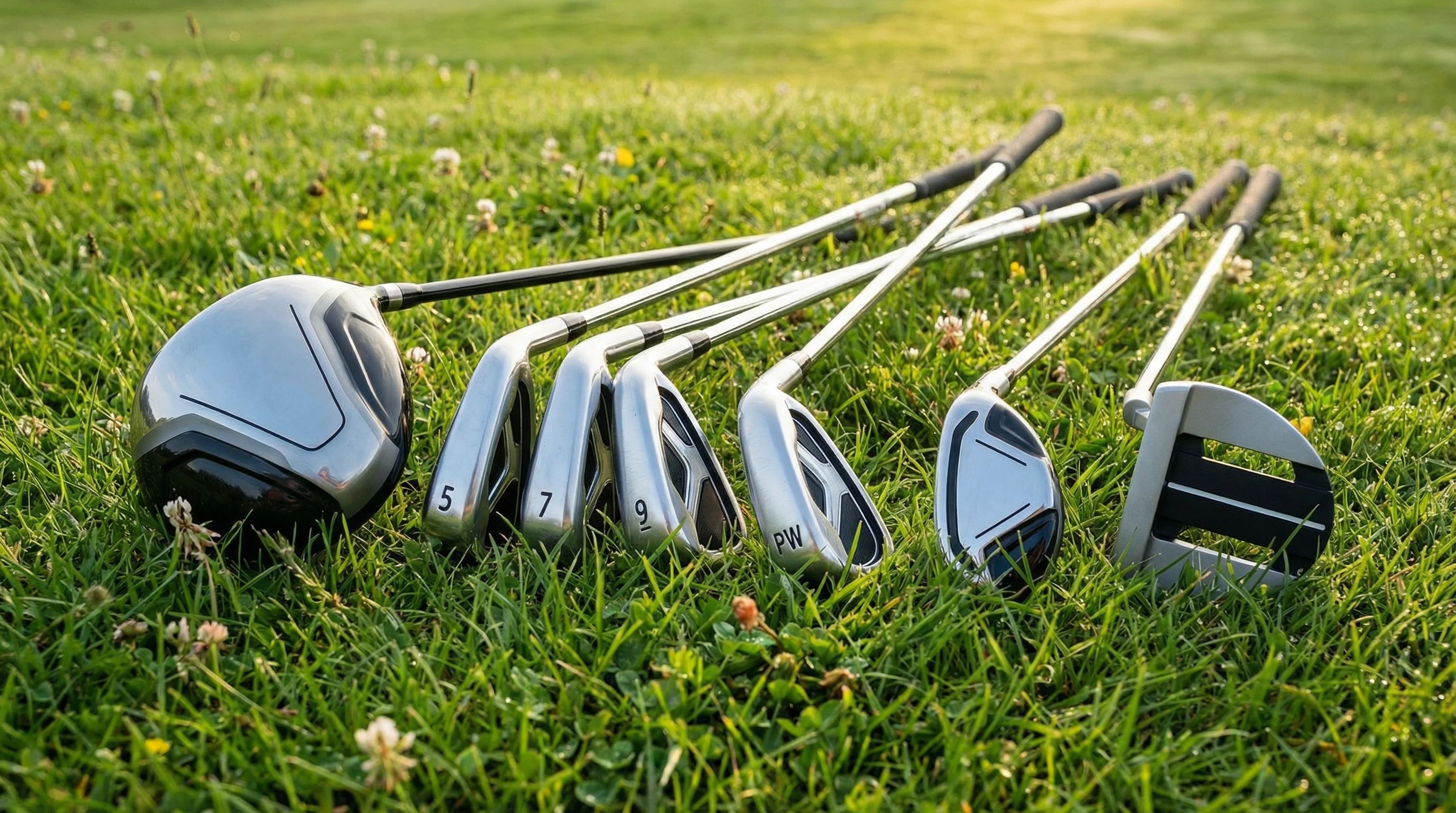
- Oversized clubheads: A larger face gives you a better chance of striking the ball well, leading to straighter shots and more forgiveness.
- Cavityback irons: These have hollowedout backs that shift weight around the perimeter for a bigger sweet spot and fewer mishits.
- Lighter overall weight: Lighter clubs help you swing faster and avoid getting tired out, so you can focus on your form rather than dragging around heavy gear.
- Hybrids instead of long irons: Swapping out 3 and 4 irons for hybrids makes those tough long shots far more approachable and less intimidating.
- Graphite shafts (especially for woods and hybrids): They’re lighter, help you swing faster, and soak up some of the sting from mishits.
These details step up your game, especially when you’re still getting the hang of your swing.
Top Budget Golf Club Sets for Forgiveness and Distance
There are a handful of budgetfriendly golf sets that I see recommended over and over (for good reason). Here’s a quick breakdown of a few that are pretty handy for new golfers looking for an easy introduction to the game:
- Callaway Strata Men’s/Women’s Package Set: Known for balance between distance, budget, and forgiveness, Callaway Strata sets come with a forgiving driver, a couple of hybrids, and cavityback irons. The included putter does its job and the bags are surprisingly nice for the price.
- Wilson Profile SGI Complete Set: Wilson’s Profile SGI is specifically designed for beginners. The clubs feel light, have a generous sweet spot, and the hybrids are much easier to launch than old fashioned long irons. Plus, Wilson offers several configurations for different heights and genders.
- Tour Edge Bazooka 370 Set: Tour Edge offers a lot of value for the money. The Bazooka 370 set gives newer golfers a super forgiving driver, a more playable hybrid, and stable irons. The craftsmanship is solid, making it a strong option if you want something a little different from the mainstream choices.
- Precise M5 Men’s Complete Set: While not as big of a brand, Precise has a budget set with oversized clubfaces and light graphite shafts. It tends to hit the sweet spot for highhandicap golfers who just want to get out and play without overthinking gear.
Most of these sets are ready to go right out of the box, making them ideal for getting on the course quickly. As you gain experience, you may want to mix in some variety by adding extra wedges or specialty clubs down the line, but these give you a really solid start.
What Else to Keep in Mind When Buying Budget Golf Clubs
There are some smaller things that make a difference beyond just cost and club type. When I was shopping for my first set, these tips helped me avoid a few headaches:
- Try Before Buying: If you can, visit a local golf shop or driving range to try swinging a few different sets or brands. Some driving ranges have loaners you can hit for a feel check before spending your cash.
- Fit Really Helps: Some complete beginner sets come in standard sizes, but it’s worth seeing if the clubs feel too long, short, or heavy for you. Most beginner sets work well for a broad range of folks but checking the fit upfront saves trouble later.
- New vs. Used: Used clubs can save you money, but doublecheck for major dings, wornout grips, or bent shafts. It’s usually worth paying a bit more for new if it fits your budget, especially if you find a deal on last year’s model.
- Grips: Some budget sets have smaller or harder grips. If you find the club hard to hold, swapping to a slightly thicker, tackier grip can make them a lot more comfortable.
Common Beginner Mistakes (And How Forgiving Clubs Help)
- Topping the Ball: Forgiving irons with wider soles help you make better contact and keep the ball from barely rolling off the tee.
- Slice/Hook: Large, perimeterweighted clubheads help minimize that banana shaped curve. They add stability and reduce those wild slices or hooks.
- Chunking the Ground: Thicksoled irons slide better through the turf instead of digging straight into the dirt. It’s a game changer if you catch the ground first now and then (I sure did for months).
Extra Accessories You’ll Want for a Smooth Start
You don’t need to break the bank loading up on gear, but a few accessories make your first rounds more enjoyable. I always recommend these:
- Plenty of Balls: Beginners lose balls. No shame in that. Pick up a cheap box of twopiece balls designed for distance and durability.
- Headcovers: These keep your woods and hybrids from getting scratched up banging around in the bag.
- Tees and a Ball Marker: Super cheap, but you’ll need them every round.
- Glove: If you tend to get sweaty hands or want a better grip, most beginners benefit from a decent golf glove.
Carrying these small items in your bag keeps your focus on your swing, not on searching for lost gear. A sharpie or ball marker especially can save you a lot of hassle on the greens!
Real-World Examples: What Difference Do Forgiving Clubs Make?
I’ve played plenty of golf with other beginners and watched the difference that truly forgiving clubs make. My neighbor grabbed a bargain set of cavityback irons after struggling with his dad’s old blades (clubs with barely any sweet spot). Instantly he sent the ball much higher, straighter, and with extra yards. Another friend switched from a 3iron to a hybrid in her set, and suddenly, holes that once took six shots to reach the green turned into solid bogeys or the occasional par.
- Hybrids help on long par 4s: Swapping in a hybrid makes those tough “over the water” or “out of the rough” shots a whole lot less scary.
- Oversized drivers: A big driver clubhead gives you a better chance of hitting the fairway and not embarrassing yourself right off the tee box.
- Cavityback irons for approach shots: Even if you catch it a little off center, these irons keep the ball funneled toward your target.
These experiences aren’t rare. Forgiving clubs can give you a solid foundation, letting you focus more on having fun and learning the skills of the game.
Frequently Asked Questions About Budget Golf Clubs for Beginners
Here are some common questions I hear from folks just starting out:
Question: Can I improve with a budget set, or should I save for something better?
Answer: Absolutely, you can improve with a basic set. Most beginners won’t benefit from pricey hightech gear right away, and these budget clubs are designed for learning and progression.
Question: How soon will I need to upgrade my clubs?
Answer: You can comfortably use a beginner set for a couple of years. Upgrade when you feel limited, like outgrowing the clubs or wanting more specialized options. There’s no pressure to rush into an expensive set right away.
Question: Are men’s and women’s beginner sets really that different?
Answer: Main differences are shaft length, weight, and grip size, geared toward differing average heights and strength. Either works as long as it feels comfortable and helps your swing.
Getting the Best Value: Simple Steps for Picking the Right Set
- Decide on a Budget: Figure out what you’re comfortable spending. Most good beginner sets range from $200–$400. Don’t forget to factor in tax and a few accessories.
- Check the Included Clubs: Look for a forgiving driver, hybrid(s), mid to short irons, a wedge, and a basic putter.
- Review online reviews: Reading honest buyer remarks helps you spot sets with real comfort and forgiveness.
- Consider Fit: If you’re tall, short, or lefthanded, check for sets that fit your size and dominant hand.
Starting out with budget friendly, beginner focused golf clubs with forgiveness and distance helps make golf more fun and less of a struggle. With the right gear and a little patience, you’ll see consistent progress without spending a fortune. Enjoy the hits, laugh off the misses, and keep swinging. Everyone starts somewhere, and with the right set of clubs, it won’t be long before you’re watching your shots soar down the fairway with confidence.