
Finding the right driver for your swing can feel almost as tricky as golf itself. With all the different options out there, like loft, shaft flex, head size, and materials, the search gets confusing pretty quickly. I’ve been through the process myself, experimenting with a few different drivers along the way, so I know how much a good fit can impact your game. This guide covers the main things you’ll want to look out for as you shop, plus tips that’ll help you feel confident when you step up to the tee.
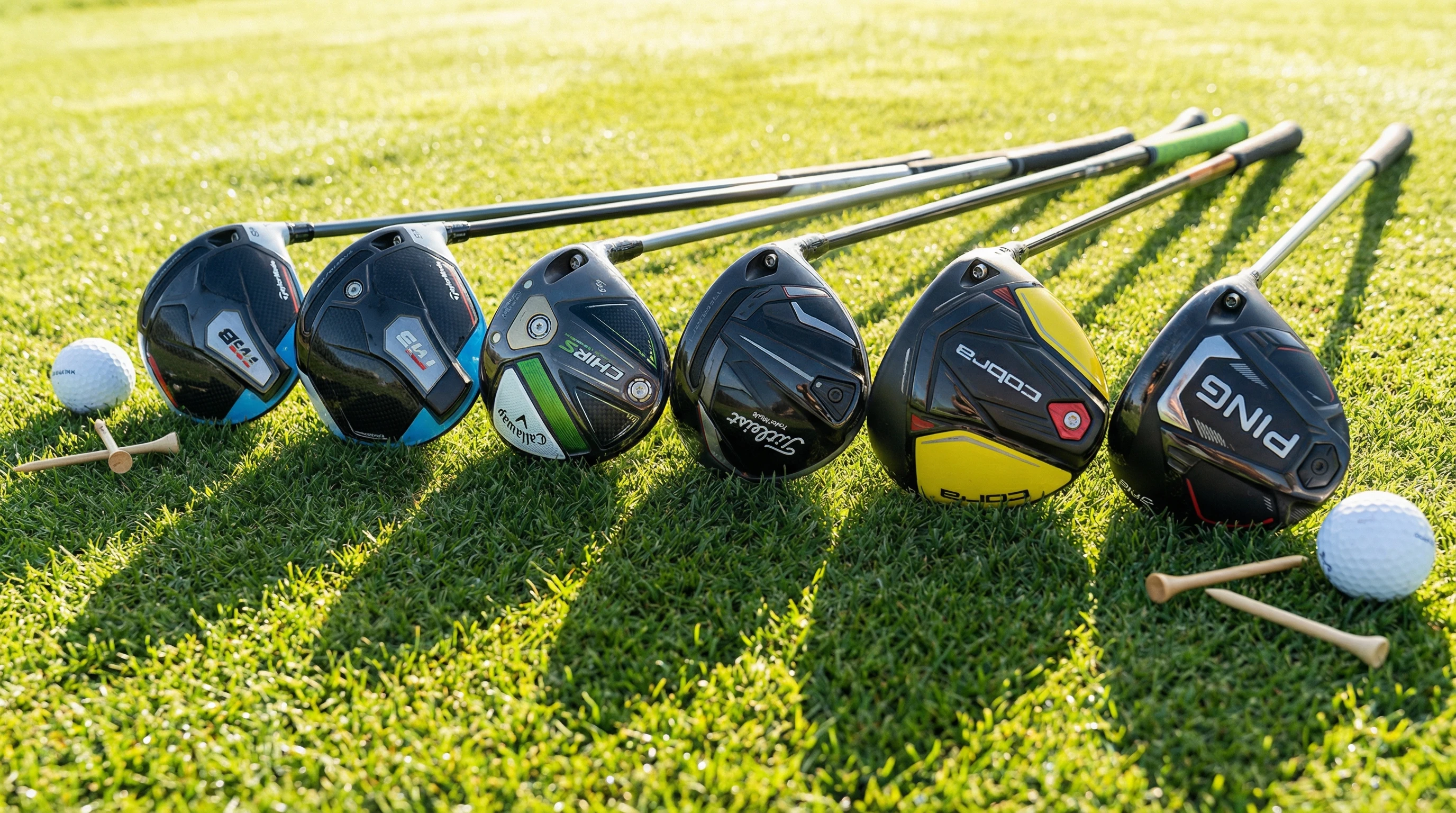
Golf Drivers: Why Getting the Right One Matters
Choosing a driver isn’t just about grabbing what looks cool or picking what your favorite pro swings. The best driver for you factors in how you swing, how fast you swing, and what feels the most natural in your hands. With tech getting better every year, there’s a lot out there promising more distance and forgiveness. That’s great, but you’ll get the most out of a driver that actually matches your swing style, rather than what’s just popular right now.
The golf equipment industry is booming, with driver tech at the front of the pack. Adjustable weights, carbon fiber materials, and custom shafts are more accessible than ever for amateur players. Golfers who pick the right combo of features tend to see real improvements, like straighter shots and better distance.
Finding a good driver depends on matching your swing characteristics, not just picking out the priciest or most advanced model. Personalized fitting plays a big role, but understanding the basics is the best place to start.
Understanding Driver Basics (What Makes Them Different?)
Drivers have a handful of parts that make a difference when you’re picking one. Here’s what you’ll want to know before even trying out a club:
- Loft: This is the angle of the clubface. A lower loft (like 8° or 9.5°) means a lower ball flight, usually better for faster swings. Higher loft (up to 13° or so) helps if you have a slower swing or want an easier launch.
- Shaft Flex: Think of this as how much the shaft bends during your swing. Stiffer shafts are for faster swingers, while regular or even more flexible shafts suit slower swing speeds.
- Head Size: Most drivers are close to the USGA max of 460cc; larger heads are more forgiving, but smaller ones can help with working the ball.
- Adjustable Features: Many drivers now let you tweak loft, lie, and even move weights to fine-tune ball flight. If you love to experiment, these are worth a look.
Step-by-Step Guide to Picking a Driver That Suits You
I learned the hard way that testing out a few drivers beats buying just based on looks or brand. Here are the steps I’d recommend when picking out a driver for your swing:
- Figure Out Your Swing Speed: A golf shop or pro can help measure this, and it’ll narrow your choices right away.
- Pick a Shaft That Matches: Once you know your swing speed, matching shaft flex gets simpler. Most brands list swing speed ranges for each flex.
- Test Different Lofts: Try a couple lofts to see which one feels easiest to launch and gives you a nice trajectory.
- Check Out Head Shapes and Sizes: Larger heads add forgiveness, which I found helpful starting out, but if you want more control, try a slightly smaller head.
- See How it Feels: Comfort matters; a grip that feels good and a club that gives you confidence are super important.
Going through these steps usually means you won’t end up second-guessing your choice every time you step onto the tee.
What To Think About Before Buying Your Next Driver
Buying a driver isn’t only about getting more distance. There are some pretty common things golfers run into, especially early on. Here are a few pointers to help you dodge some rookie mistakes:
- Don’t Chase Distance Alone: Sometimes the quest for those extra yards just ends up with you swinging harder and losing control. Focus on what gets you on the fairway.
- Demo Before You Buy: Trying out different drivers at a golf shop or a demo day can show you what feels best for your swing, instead of just trusting what you see online.
- Fitting Can Really Help: A professional fitting can make a huge difference. The fitter’s advice helped me correct a slice that I struggled with for years.
- Budget Matters… But So Does Trust: You don’t need the latest, flashiest driver. Older models are still great, especially if they’re from reputable brands and in good shape.
Demoing Clubs
Spending a little time hitting different drivers on the range let me compare ball flights, feel, and sound. Some shops have launch monitors that show your stats in real time. Seeing the numbers made a huge difference in making my decision, plus it was fun to watch how a small change in the shaft or loft affected my shots.
Custom Fitting Explained
A custom fitting session isn’t as intimidating as it sounds. The fitter will check how you hit with different shafts, lofts, and settings, then guide you to what works best. I’ve always felt more confident showing up to the course with a club that was tweaked just for me. If you haven’t had a fitting before, don’t worry; professionals make the process easy and informative, and even a short session can reveal helpful tweaks.
Tech Features: Worth the Hype?
Adjustable weights and hosels are everywhere now. For most beginners or weekend golfers, the default settings work fine, but if you notice a tendency (like slicing), a little adjustment can help. Brands like Titleist, Callaway, and TaylorMade share clear guides for these settings on their websites, so you can always look up tips for your specific model. Remember that tech features exist to help you, but you don’t have to tweak settings every round.
Extra Tips for Choosing (and Using) Your Driver
Once you’ve picked out your driver, a few more habits and tweaks make it even more fun to use:
Grip Pressure: One thing I struggled with was gripping the driver too tightly, which cost me both distance and accuracy. Keeping a relaxed, but secure grip helped me swing more freely.
Tee Height: Experiment with the height of your tee. A higher tee can help you launch the ball upward, which is especially handy with modern drivers. Try different tee heights on the range to see what produces your favorite ball flight—sometimes, the right tee height is the missing ingredient.
Practice Makes a Difference: The driver almost always works best when you’ve practiced with it. Even after getting fit, it took me a few sessions to really get dialed in. Make a point to practice with your driver and not just your irons, so you build confidence launching the ball off the tee.
Learn the Features: If your driver has adjustable options, don’t be afraid to try them out at the range. It’s a fun way to dial in the performance and find what truly works for your game. Bring the adjustment tool to the range and make small changes one at a time, observing results.
What Clubs Should Beginners Even Worry About?
It’s tempting to splash out on a full set of highend drivers, woods, and hybrids. In my early golfing days, I found focusing on one or two key drivers made learning easier. A single, forgiving driver with a comfortable shaft and grip is usually all you need starting out. Once you develop your swing, you can consider adding more specialized drivers or woods to your bag.
- Forgiving Driver for Starters: Go for something with a bit of extra size and a regular or flexible shaft. These help correct offcenter hits and build confidence.
- Backup or Used Driver: Having a second, less fancy driver as a backup is handy if you play courses with tight fairways or tricky wind, and it’s a budgetfriendly way to add options.
Common Questions About Drivers
Here are questions I hear a lot from friends or while chatting at local golf shops:
Question: What’s the easiest way to figure out my swing speed?
Answer: Ask for a quick test at a pro shop or sign up for a lesson that includes launch monitor data. Numbers make picking a shaft much easier.
Question: How much does brand really matter?
Answer: Major brands put out reliable products, but fit and comfort are what you should care about most. Try out several brands before deciding.
Question: Is it worth getting fitted by a pro?
Answer: Yes; especially if you’re trying to fix a persistent issue in your game. Fitting can reveal things you’d never notice yourself and give you helpful tips for improvement.
Making the Most of Your Driver
Picking out a driver that matches your swing is a lot less stressful with a step-by-step plan. Focus on swing speed, shaft flex, and what feels best, and don’t worry about chasing trends or maxing out tech features you might not use. The most satisfying part is when a driver gives you confidence, whether you’re ripping it down the fairway or just aiming to avoid that firsttee slice. Stick with the process, ask for help when you need it, and enjoy hitting better drives round after round. If you stay patient and try different setups, you’ll see progress—and you might even surprise yourself with a few next-level cool shots off the tee.