
Custom golf club fitting might sound pretty technical, but it’s actually one of the smartest ways to make your game easier and more accurate. If you’re just starting out with golf or find yourself struggling to hit the ball straight, you could be surprised at how much a good club fit can help. Today, I’ll walk you through everything beginners need to know about custom golf club fitting and how it can deliver real results for accuracy—without drowning you in tough jargon or high-pressure sales pitches.
Why Club Fitting Matters for Golf Accuracy
Golf is a lot more enjoyable when you see genuine improvement, and a big part of making consistent shots is using clubs that fit you—not just the “off the rack” choices at your local store. Standard clubs operate on a one size fits all approach, but swing styles and body measurements are different for everyone. Clubs matched to your own measurements can really help with making crisper, straighter shots that build up your confidence on the course.
Golf pros have understood for ages that custom fitting can be a game-changer, but it’s no longer just for advanced players. More and more beginners are trying out fittings so they can avoid unnecessary frustration and pick up solid swing habits from day one. According to multiple studies, having tailored clubs often leads to improved accuracy, cleaner ball contact, and extra confidence—an all-around boost that helps you enjoy the sport more.
Breaking Down the Club Fitting Process
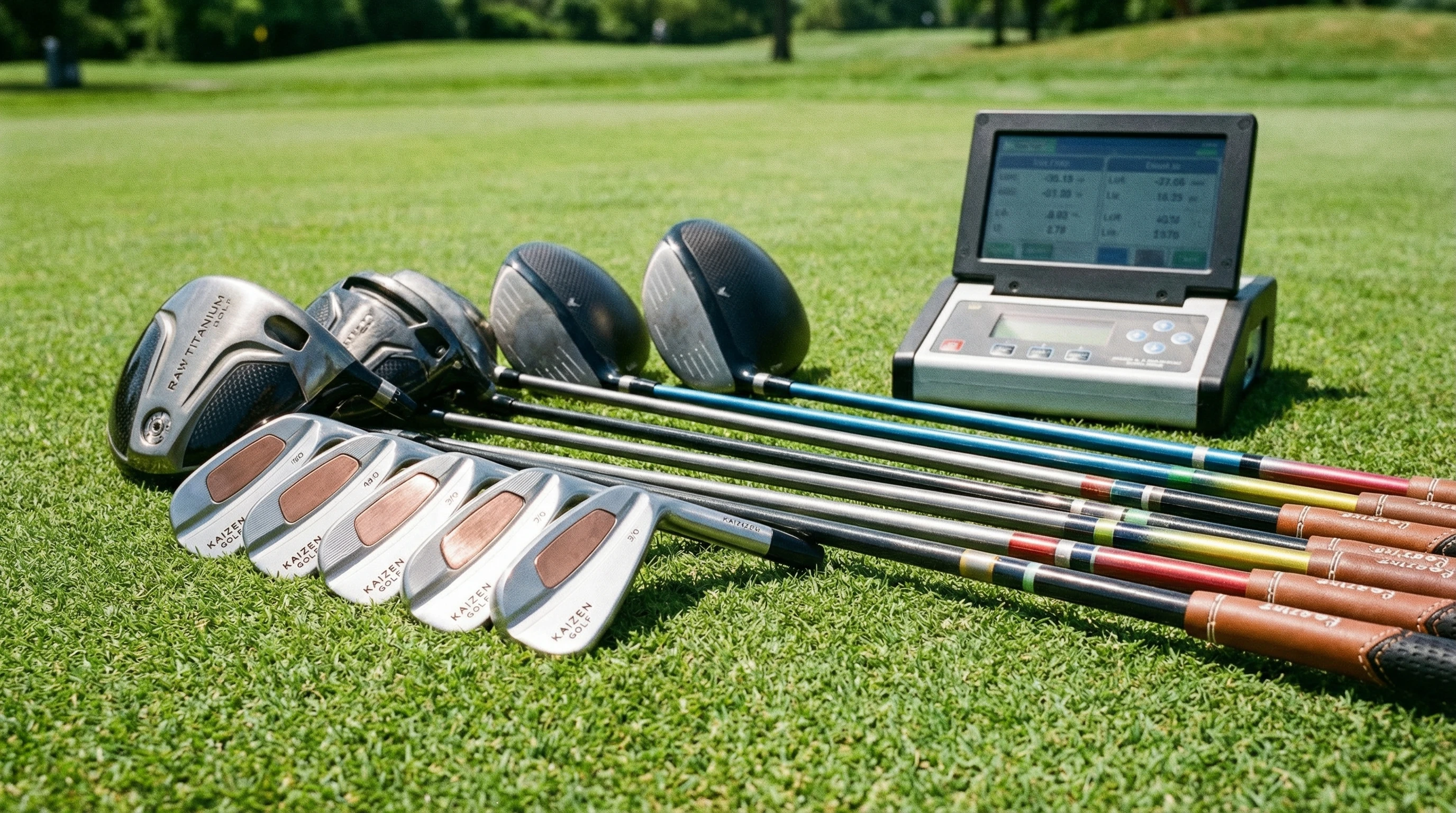
The process might sound intimidating or expensive, but custom club fitting for beginners is pretty simple once you break it down. Here’s what typically goes on during a fitting session:
- Interview and swing check: The fitter will ask about your swing goals, current skill level, and any problems you’ve noticed. You’ll hit a few shots so they can get a feel for your swing style and tendencies.
- Measurement time: They measure key things like your height, arm length, hand size, and even the distance from your wrist to the floor. These numbers help determine the right length and lie for your clubs, making your golf experience much easier from the start.
- Club adjustments and testing: You’ll try various club heads, shaft types, and grips as the fitter watches your swing and checks results using straightforward launch monitors or ball flight trackers.
- Final tweaks: The fitter will offer suggestions for your clubs—adjusting shaft flex, grip size, and club length—to make sure your set matches your game and goals perfectly.
Fittings can include high-tech gadgets or just use simple approaches. Even the most basic fitting can reveal whether your current clubs might be holding you back, which is pretty eye-opening for anyone new to the process.
Helpful Club Fitting Terms Explained
Club fitting terms can seem confusing, so let’s break down a few you’re most likely to hear during your fitting:
- Lie Angle: The angle between the shaft and the ground when the club is at address. If this is off, shots will veer left or right, even if you make solid contact.
- Shaft Flex: This shows how much the shaft will bend during your swing. Softer flex benefits slower swings, while stiffer shafts suit those with faster swing speeds.
- Shaft Length: The total distance from the grip to the club head. Clubs that are too short or too long can mess with your posture and swing timing.
- Grip Size: Describes how thick or thin the grip feels in your hands. Using the right size grip helps with comfort, control, and aim.
- Swing Weight: This is not the same as the total weight. It describes how heavy the club feels during your swing, which affects smoothness and rhythm.
Simple Steps to Start Your Club Fitting Adventure
If you’re ready to give custom club fitting a try for better accuracy, here’s some straightforward advice for first-timers:
- Check your local choices: Most golf shops or courses have fitting options and sometimes they’ll do it for free if you make a purchase. Do a little research online or call to compare what’s available nearby.
- Bring your current clubs: Even if they’re borrowed clubs, your fitter needs to see what you’re using now. This helps them get a sense of your starting point.
- Be honest about your skills: No need to impress anyone. Fitters aren’t measuring talent; they want to help you find clubs that move your game forward.
- Take your chance to test: Use the session as an opportunity to swing different options. You’ll physically feel the differences, not just hear about them.
- Don’t overdo it: As a newer player, there’s no need to customize every single club. Just fitting your driver or irons first can give you fast results and improve accuracy.
Approaching your fitting with a clear plan and open expectations will help you get more benefit from the experience. Plus, you’ll usually walk away understanding your swing much better, which is always useful for practicing on your own.
Considerations Before Booking a Club Fitting
Just like any learning curve, there are a few important things to think about before signing up for a fitting session. Here’s a handy checklist:
- Budget: Fitting fees can run from free up to $150 or more, depending on where you go and what you’re buying. A lot of stores roll the fee into your new club purchase, so make sure to ask about this up front.
- Current skill level: Beginners don’t need elite-level club tech. Focus on finding comfortable, well-fitting clubs—don’t worry about having all the fancy upgrades.
- Expectations: Fitting can give your accuracy a boost, but you still need practice to improve your swing. Don’t expect perfect shots right away.
- How much you play: If you’re committed to learning and practicing regularly, the investment quickly pays off. Not sure how often you’ll play? Start with a simpler or group fitting for lower cost and risk.
Common Club Fitting Issues for Beginners
There are a few challenges that show up often for beginners, but all are fixable with the right advice:
- Worrying too much about shaft flex: Many newer players pick whatever flex is handy, but your speed matters. Try a couple different flexes, even if your swing is on the slower side.
- Playing with clubs that are the wrong length or weight: Clubs that don’t match you make setup and swing much harder. Many new golfers—especially juniors or women—swing better with lighter, shorter options.
- Ignoring your grip size: This detail is often skipped but matters for both comfort and control. Let the fitter measure your hands and adjust the grip size, as even small changes can improve performance.
Advanced Tips to Increase Accuracy
After you’ve been fitted and practiced for a while, you can start zeroing in on extra details for next-level cool accuracy:
Get familiar with launch monitor feedback: Fitters will show data like swing speed, launch angle, and shot dispersion. Learning how these numbers show up in your own game will clue you in on what needs work.
Know your usual misses: Fittings can point out if you tend to slice, hook, or struggle with certain shot patterns. Fitters can adjust club specs to tackle these issues, which helps you get smarter at course management too.
Check your fit as you improve: As your swing speeds up or gets more consistent, your club specs might need a tweak. Book a check-in after a year or so to stay in the sweet spot as your skills grow.
Working on these advanced tips helps keep your practice interesting and makes your progress feel steady—no more stuck feeling or confusion about what’s holding you back.
Key Equipment Focus for Beginner Golfers
With so many gear options, it’s easy to get overwhelmed. For someone starting out, zoom in on a few clubs, get those dialed in, and watch your accuracy take off:
- Driver: A userfriendly, forgiving driver that fits you will help keep more balls in play and give you a huge confidence boost with tee shots.
- Irons (especially 7 iron and 9 iron): These irons are some of the most approachable for working on solid contact and early ball control. Proper length, lie, and grip are extra valuable here for learning.
- Putter: No need to shell out for pro-level models—a well-fit putter in length and grip size can help you keep putts online and cut down on messy greens.
A fitting session can be worthwhile even if you only end up switching out one or two clubs. You can always add more as your style and confidence build up.
Frequently Asked Questions
Here are answers to a few questions that first-timers often ask about getting fitted for clubs:
Do I need to be “good” at golf before a fitting?
Absolutely not! Having a fitting as a beginner is often better, because you avoid learning bad habits on mismatched clubs from the start.
Is custom fitting worth it for casual golfers?
If you tee it up a few times a month or are planning to stick with golf, fitting brings great long-term benefits. It’s perfect for anyone having trouble with accuracy or feeling uncomfortable using standard, store-bought clubs.
How long does a club fitting session take?
Most basic sessions run about 45 minutes to an hour, with fuller club set fittings going a bit longer. Always allow at least an hour so you’re not rushed.