Custom fitting for golf clubs really doesn’t get as much attention as it deserves. Most golfers believe new clubs straight out of the box are ready to help step up their game. The truth is, those stock clubs might look great, but chances are, they won’t be a perfect match for your swing, height, strength, or playing style. I’ll break down why custom fitting matters, what the process looks like, and how it can have a pretty big impact on your time out on the course.
Why Custom Fitting Golf Clubs Is Worth Your Time
Golf isn’t one size fits all. Custom fitting works a bit like tailoring a suit; you get something that’s made to fit you, not the average person. The goal is to make sure your clubs compliment how you swing, your body shape, and even your goals on the course. The right fit can make it easier to hit straighter shots, improve distance, and even avoid injuries over time.
Industry data shows most off-the-rack clubs fit only a small percentage of golfers perfectly. That means plenty of people have inconsistent results or end up working way too hard to compensate for clubs that don’t suit them. Custom fitting can address things like length, lie angle, flex, grip size, and even the type of shaft material. Each element helps the club work with your swing rather than fight against it.
How the Custom Club Fitting Process Actually Works
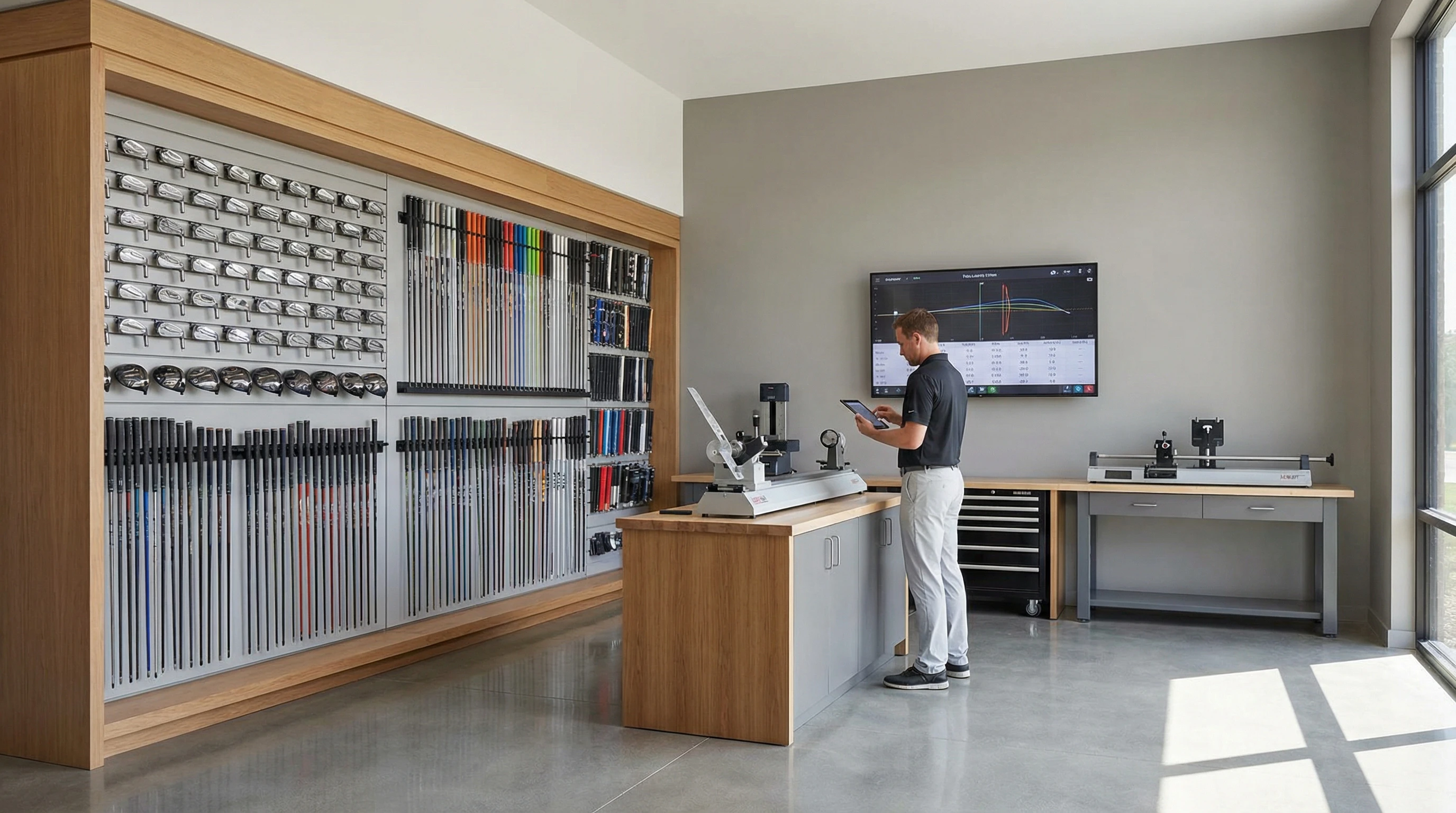
The process starts with a chat about your golf game. Fitters want to know how you play, what you like, and where you want to improve. After that, you’ll usually hit a few shots with your current clubs while a launch monitor collects data; swing speed, launch angle, spin rate, ball flight pattern, and more. This information forms the basis for the fitting.
Next comes club trial and adjustment. Fitters swap in different shafts, clubheads, and grips to see how changes affect your shots. Do you get more distance with a stiffer shaft? Does a different lie angle help you hit the ball straighter? This testing stage is where things get pretty hands-on, and you’ll notice small tweaks really can make a big difference.
Once the best combination is found, the fitter will recommend specs. That could include everything from overall club length and lie angle to grip thickness and shaft flex. Your clubs are then built to these measurements, and you’ll walk away with a set that just feels right for your game.
What Custom Fitting Specifically Looks At
- Club Length: The right length lets you stand in a comfortable, athletic position. Clubs that are too long or short change posture and swing path, which can lead to mishits.
- Lie Angle: This is all about how the club sole sits on the ground. An incorrect lie can make shots head left or right, even with a solid swing.
- Shaft Flex & Material: Different flexes suit different swing speeds. A softer shaft flex helps slower swingers get more height, while stiffer shafts benefit stronger, faster swings.
- Grip Size: Too thick or too thin a grip affects hand action. The right size helps you release the club properly and keep things comfortable.
- Clubhead Design: Blade, cavity back, gameimprovement clubs; each offers something different for forgiveness, feel, and performance.
By fitting each of these, you avoid compensating with odd adjustments to your swing. That frees you up to swing naturally and consistently.
How Custom Fitting Actually Helps On The Course
Using clubs fit for you comes with some pretty noticeable perks:
- More Distance: When clubs match your swing, you get more out of every shot, with less effort wasted.
- Improved Accuracy: You start missing less left or right overall, since your clubs don’t force you to overcompensate.
- Better Consistency: Probably the biggest thing custom fitting does is raise your odds of hitting the center of the clubface again and again.
- More Confidence: Knowing you’re swinging equipment made for you takes pressure off and just feels better.
- Reduced Injury Risk: Playing clubs too short, too long, or with grips that are off can lead to overuse and even chronic pain. Getting fit helps you move more naturally and safely.
Plenty of club fitters say players at any skill level see improvements, from beginners right up to scratch golfers. Even higher handicappers often get the biggest boost, since they avoid the battle with poorly matched clubs right from the start.
Quick Guide: Getting Started With Custom Fitting
- Book a Fitting Session: Find a local golf shop or pro with club fitting services. Plenty of places have highend fitting studios now equipped with tech to measure everything they need.
- Bring Your Current Clubs: Most fitters want to see what you’re using now, since it gives a good baseline and can pinpoint what’s helping or hurting your game.
- Be Honest About Your Game: Talk openly about your strengths, weaknesses, and what you want from your clubs. More info makes for a better fit.
- Test Different Combos: Don’t be afraid to try a few options, even things you wouldn’t pick right off the rack. That’s often how people stumble upon a setup that really works well.
- Ask Questions: A good fitter will explain why they’re making certain suggestions, so ask about their recommendations. It helps you get more value from the session.
The process usually takes about an hour or two, and most shops will give you a printout with your specs if you want to order clubs later.
Things To Think About Before Booking a Fitting
Custom fitting costs a bit depending on where you go, but many places will credit the fee toward a club purchase. Even if you upgrade gradually (maybe get fit for drivers and wedges to start, then the rest later), the benefits usually stick around longterm. Still, it’s a good idea to weigh the investment and be sure you’re ready for the step.
- Your Budget: Custom fit clubs aren’t always more expensive, but some advanced options come with higher price tags. Talk about budget with your fitter upfront.
- Brand Loyalty: Some people have a favorite brand. Try to keep an open mind, since the best fit might mean branching out from what you know.
- Your Skill Level: Even beginners and high handicappers see benefits from fitting, not just low handicappers or pros.
- Frequency of Play: If you play often, custom fit clubs typically deliver a better return over time.
Careful research and picking the right fitter really make a difference. Look for someone with a good reputation and access to a wide variety of club brands and fitting tools. Feel free to ask around at your club or search online reviews to spot the best fitters nearby.
Advanced Tips That Make Custom Fitting Even More Worthwhile
Getting clubs fit is one thing, but there are ways to squeeze even more value out of the process:
Consider a Full Bag Fitting: While you might start with just a driver or irons, a full bag fitting ensures every club fits your swing from wedges to putter. This approach covers every shot you’ll face on the course, making your whole set work better together.
Recheck Your Specs Every Few Years: Swings change over time. Making fitting a semi-regular thing means your clubs always keep up. If you take lessons or recover from an injury, getting refit can also be a smart move.
Test On Grass, Not Just Indoors: If possible, try to hit balls outside. Sometimes the range environment changes how a club feels, especially with wedges and irons. Feedback from real turf helps you spot differences you might miss indoors.
Pay Attention to Ball Fitting: Some fitters will also recommend golf balls that match your swing. This can help with distance, spin, and feel, rounding out your setup for maximum effect.
These little tweaks help your entire equipment setup work together, so your time and practice go much further. If you’re serious about improvement, considering these bonus steps can take your golf equipment to the next level.
Frequently Asked Questions
Golfers ask loads of questions about the fitting process and if it’s really worth it. Here are some I hear most often:
Question: Can beginners benefit from custom fitting?
Answer: Definitely. New golfers build good habits faster with clubs that fit, and they avoid learning a bunch of bad compensations.
Question: How much does custom fitting cost?
Answer: Prices vary, but a basic fitting is often less than people expect, and some shops offer it free with club purchase. It’s worth calling around to compare.
Question: Do I need to buy a whole new set?
Answer: Not at all. You can fit just a driver or irons to start, then gradually upgrade the rest of your bag.
Question: How long does the process take?
Answer: Most fittings take one to two hours, depending on how many clubs you’re trying and how in depth the process is.
Where Custom Fitting Sits in the Big Picture
Custom fitting takes a lot of the guessing game out of picking golf clubs. With equipment built just for you, making the game more enjoyable and boosting your performance gets much easier. Even with a single session, you’ll likely notice you’re making better contact and getting more consistent results. Custom fitting is worth checking out for any golfer ready to get a bit more out of every swing.