
Golf training can open up a whole new level of enjoyment and improvement, whether you’re just swinging a club for the first time or you’re aiming to shave a few strokes off your game. Getting better at golf isn’t just about endless hours on the course; using the right tools, drills, and methods makes a difference. I’m sharing the basics, some practical resources, and hands-on tips that help make the learning curve smoother for anyone picking up the game.
Why Golf Training Is Worth the Effort
Golf has a reputation for being both challenging and addictive, and there’s a reason so many people get hooked. It combines mental focus, physical skill, and a bit of friendly competition. Training isn’t just for the pros either; whether you’re a weekend hobbyist, a junior golfer, or someone eyeing an amateur tournament, working on your game can make rounds more fun and satisfying.
Taking the time to practice basics like grip, stance, and swing mechanics helps you play more consistently and build a solid foundation. You’ll notice a stronger sense of achievement when you hit that clean shot or drain a long putt after practicing the right drills.
Golf training aids and coaching have grown a lot in recent years. From swing analyzers and launch monitors to smartphone apps, there are plenty of ways to track progress and get immediate feedback. The U.S. golf equipment market alone is valued near $3 billion, showing that plenty of players invest in tools and practice gear to improve their performance.
The Basics: Getting Started with Golf Training
I remember when I first started playing golf, I had no idea how much the little things mattered. Correct posture, the way you hold the club, and even your breathing can all come together in that one split second when you strike the ball. Understanding the basics helps golfers avoid common pitfalls that can turn into stubborn habits down the line.
Here are the key areas most beginners focus on first:
- Grip: The way you hold the club shapes your entire swing. Most coaches show the neutral grip first because it’s stable and reliable.
- Posture: Setting up with your knees slightly bent and your spine straight gives you balance and helps with swing power.
- Alignment: Making sure your feet, hips, and shoulders are all pointing in the right direction can make a world of difference, even before you take the club back.
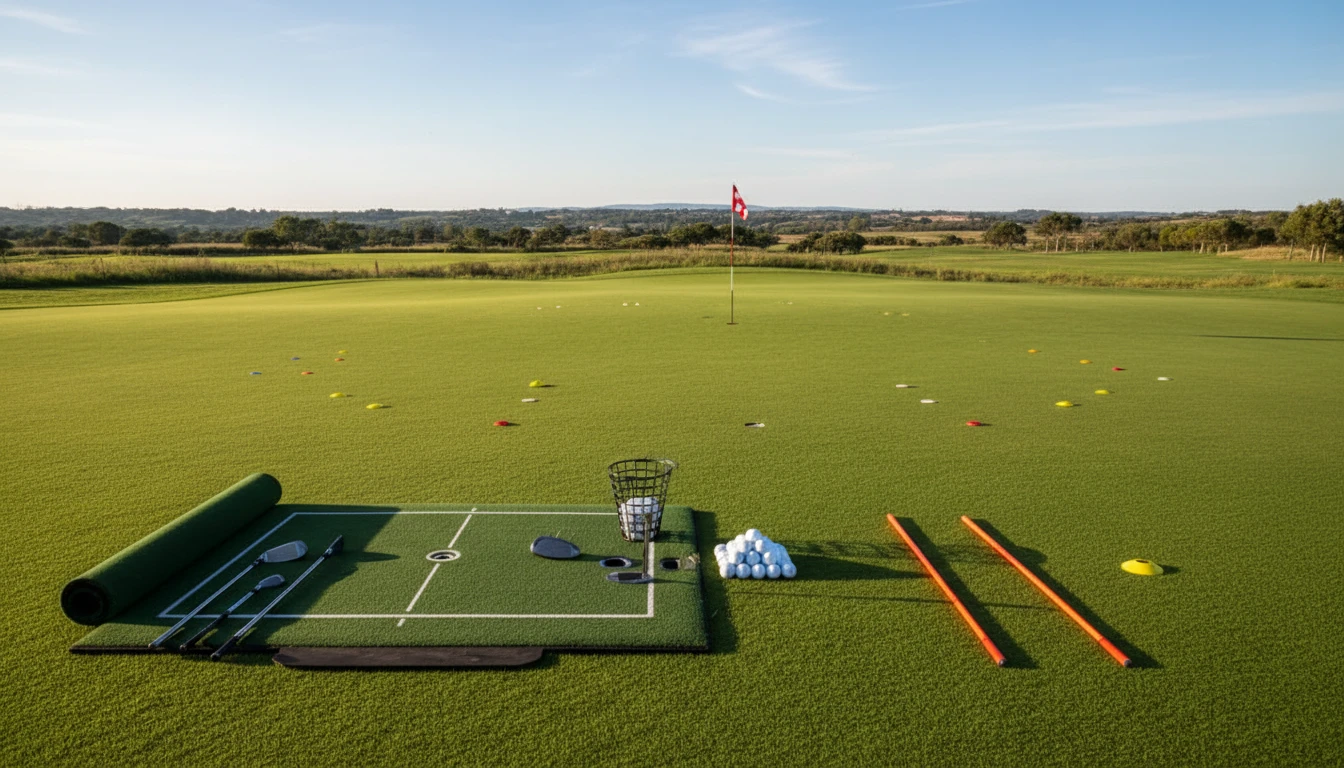
Simple alignment rods, mirrors, and putting mats are some tools I found super helpful for these basics. They give you clear feedback and help build good habits early on.
Step-by-Step: Training Routine for New Golfers
A regular practice routine makes improvement steady and keeps motivation high. I always suggest breaking sessions into small, focused chunks rather than trying to fix everything at once. Here’s a basic training plan I’ve seen work for myself and friends starting out:
- Warm Up: Begin with gentle stretching and 5-10 minutes of light swings with a short iron or wedge to loosen up.
- Short Game Practice: Spend time chipping and putting around the practice green. Getting good close to the hole really helps scores.
- Full Swings: Head to the range and focus on controlled swings with midirons before moving on to hybrids or driver.
- Target Practice: Pick targets at different distances, aiming for accuracy rather than power at first.
- Cool Down: End with some easy putts or mental rehearsal for the next round.
Doing this two or three times a week can start to bring clear results pretty quickly, especially combined with feedback from a coach or training app.
Equipment and Training Tools: What Actually Helps?
A basic golf set and a few training aids go a long way for beginners. Here are a few practical options I found make practice time more productive:
- Alignment Rods: These lay on the ground and help you check that your feet and clubface are lined up correctly. Super useful for building consistency.
- Putting Mats: Practicing on different surfaces helps build a natural stroke and speed control, even from your living room.
- Impact Bags: These are soft targets you hit with your club, reinforcing good contact and body rotation without worrying about the ball.
- Golf Swing Analyzers: Small sensors that clip to your club or glove give data on swing speed, tempo, and path. Plenty of smartphone apps work with these for quick video reviews or instant tips.
If you’re on a tight budget, simple props like mirrors for checking posture or DIY putting targets can be just as effective for routine feedback. Homemade training aids, like placing tees or coins on the ground for chipping accuracy, also work great.
Common Golf Training Challenges (and How to Solve Them)
Golf might look simple, but even the pros chase that “perfect” swing for years. I’ve run into a few common obstacles; here’s how to work through them without feeling stuck:
- Inconsistency: Missing shots or feeling “off” is pretty normal early on. Stick to one or two swing thoughts, and record your swings to spot patterns over time.
- Lack of Feedback: Sometimes it’s hard to tell what went wrong. Use alignment sticks, video, or get a friend to watch; you’ll start noticing small details you can fix on your own.
- Short Practice Time: Even ten minutes a day of backyard chipping or putting adds up. Keeping a wedge and a few balls handy makes quick sessions easy.
- Overcomplicating Things: There’s so much online advice, but focusing on basics usually helps most. One clear goal per session keeps things manageable.
Inconsistency
Missing shots can be frustrating. Taking short videos of your swing with a smartphone helps you actually see what’s happening between good and not so good shots. Comparing these makes it easier to spot and fix small tweaks.
Lack of Feedback
Practicing in front of a mirror or using simple training aids gives instant cues about your setup or swing path. Plus, many ranges and indoor facilities now offer swing monitors at a low cost so you don’t need to buy your own.
Short Practice Time
Carrying a few balls and a wedge in the trunk of your car or keeping a putting cup in your office makes practice possible in surprising spots. The little bits of extra practice really do make a difference.
Overcomplicating Things
I’ve fallen into this myself. Sticking to one main area to fix and ignoring flashy “swing secrets” keeps training less overwhelming and more effective.
Patience is key as well. Consistency and repetition make those boring drills add up to big improvements over time. Even pro golfers keep practicing the basics throughout their careers to keep their edge.
Advanced Tips for When You’re Ready to Take It Up a Notch
Once the basics start to feel more natural and you want to push yourself further, there are higher-level ways to keep growing your skills:
Use Technology: Launch monitors and highspeed cameras help track launch angle, spin rate, and club path. This data shortens the learning curve on advanced shots or equipment tweaks.
Work on Course Management: Learning when to take risks and when to lay up saves strokes. Simulate pressure situations in practice, or use practice rounds to build a smart game plan for different holes and changing conditions. Consider playing rounds with only a few clubs to strengthen creativity on the course.
Develop the Mental Game: Golf can be as much about confidence as it is about mechanics. Pre shot routines, mindfulness, and positive self-talk can really help when nerves hit. I keep a few key mantras handy to stay focused on what I can control. Visualization before each shot trains your focus and helps you trust your swing when it counts.
Real Life Situations Where Training Pays Off
Golf training comes alive in real scenarios. Here are examples where practice pays off big time:
- Tournament Preparation: Running through your routine with pressure simulated helps keep nerves under control when scores actually count.
- Rainy Days: Having indoor drills ready using putting mats or chipping nets means no practice time gets lost to bad weather.
- Playing Different Courses: Practice sessions that include uneven lies or different grass types get you ready for new challenges and keep your confidence up on unknown courses.
I’ve even used carpet putting drills during winter months, which kept my short game sharp until the courses reopened in spring. In addition, joining a local golf league or club can motivate you to practice more regularly and learn effective practice routines from others.
Golf Training: Your Questions Answered
These are some regular questions I get from fellow golfers when it comes to golf training:
Question: Do I need expensive gear to get better at golf?
Answer: Not really. Simple tools like alignment rods, putting mats, and mirrors do the job for most beginners. Advanced gadgets are fun but not necessary at the start.
Question: How often should I practice to see improvement?
Answer: Two to three focused sessions of 30 to 60 minutes each week, as steady as possible, usually brings noticeable progress.
Question: Are golf lessons worth it?
Answer: Yes, especially for beginners. Even a single session helps set good habits. Group clinics can be more affordable and just as helpful as private ones.
Key Takeaways for Golf Training Success
The real value in golf training lies in building a routine that fits your life, making sure you’re learning good habits from the start, and finding ways to track progress, whether through feedback from a coach, a friend, or some helpful tech.
Small, regular efforts start to add up. Whether you’re practicing short putts on a mat or tweaking your swing with a video review, smart and steady training can make each round on the course more rewarding. The best part is that you always have something to work on, so your golf adventure keeps moving forward. Stick to the basics, track your progress, and enjoy each step toward better play.