Getting a putter that matches your flat putting stroke and boosts your alignment on the green can really help you drop more putts. With so many styles and tech options out there, finding the right fit can be confusing, especially if you’re not sure about all the techy golf lingo. Here’s a personal guide based on what’s worked for me and what I’ve seen play out for friends and students, helping you narrow down your search for a putter that feels solid and gets your ball rolling true.
Why Matching Your Putter to Your Stroke Really Matters
Not every putter is made for every stroke, and that’s especially true if you have a flat or straight back, straight through style. This kind of stroke is less about arcing around your body and more about a straight, pendulum-like motion. Getting a putter that’s built for that motion can help your ball start on your intended line, with less twisting or turning during the stroke.
Picking a putter that matches your stroke type is a straightforward way to make putting feel easier and more instinctive. Blade putters, mallets, and all sorts of specialty shapes exist for a reason. When your equipment works with your natural motion, you get more consistent results and take much of the guesswork out of lining up putts.
How To Identify Your Putting Stroke
Before buying anything, it helps to understand what kind of stroke you actually have. Here’s a quick way to check if your stroke is truly flat:
- Watch Your Path: Set up a chalk line or use an alignment stick on your putting mat. Make some strokes and notice if your putter head stays mostly straight back and through along the line.
- Check the Face Angle: Are you able to keep the face square throughout the stroke, or does it rotate open and shut? Flat strokes usually have less face rotation.
- Ask a Buddy: Sometimes a phone video or friend’s feedback can show you details you’ll miss on your own.
Once you know for sure, it’s a lot easier to focus your search on a putter style that matches your technique. Many local golf shops let you test a few models or get a basic stroke analysis, which is pretty handy if you’re unsure. Ask lots of questions—most fitters love to help you figure out what works best!
Best Putter Types for Flat Strokes
Putter heads come in a huge range of shapes, but for flat strokes, a few options stand out.
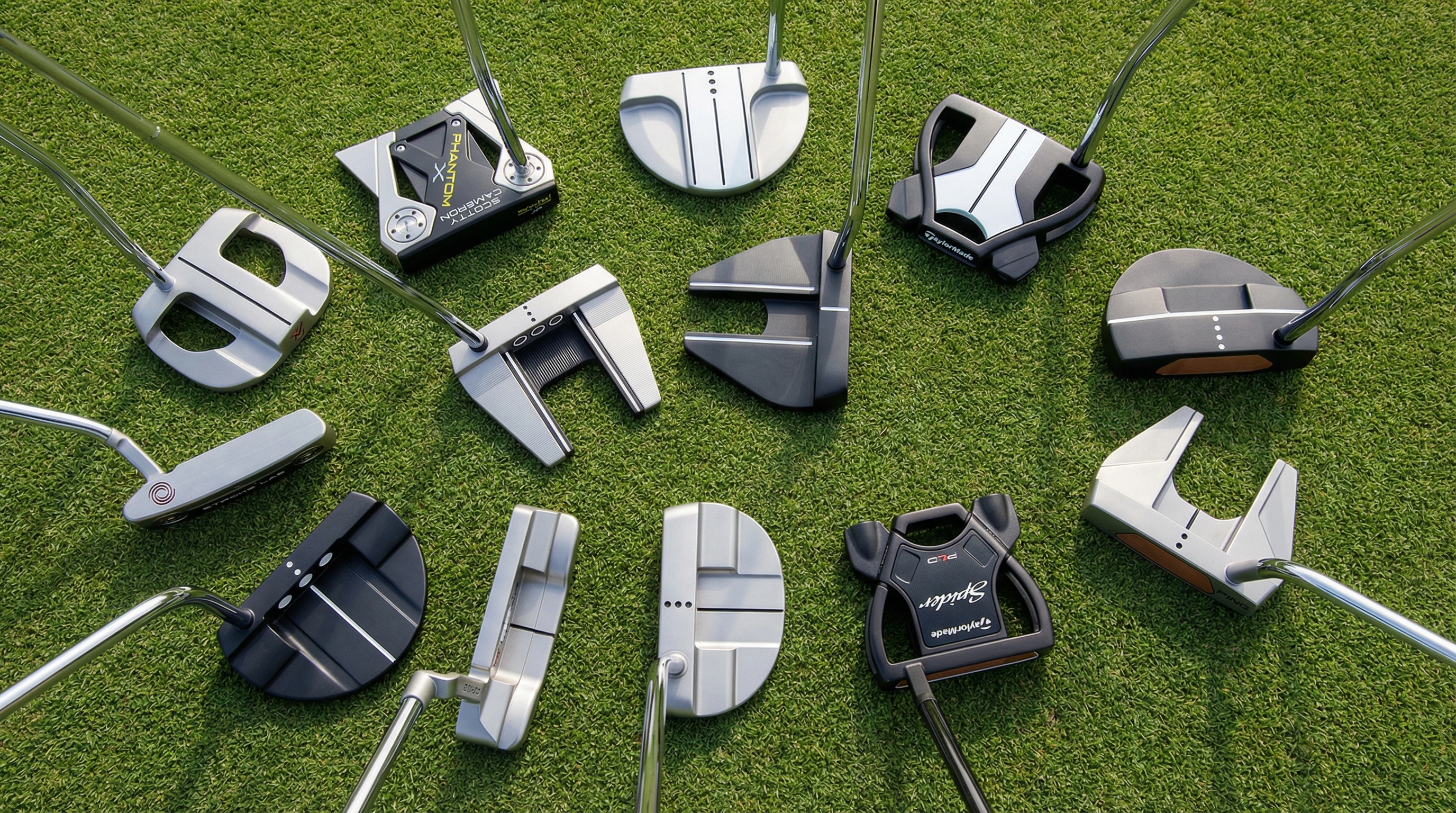
- Face Balanced Mallet Putters: These putters balance flat if you lay them on your finger, meaning the face points straight up. They resist twisting and help the club stay square through impact, working nicely with a straight back, straight through putting motion. Popular examples include the TaylorMade Spider series and Odyssey’s 2 Ball style.
- Face Balanced Blade Putters: Blade putters aren’t just for golfers with arcing strokes. Look for face balanced blades (often with a double bend shaft). These give you classic looks with the alignment support and stability your stroke can benefit from.
- Mid Mallet Designs: If you like something between a blade and a chunky mallet, mid mallets can be a sweet spot. They offer extra stability and aren’t as bulky, and you’ll find some great face balanced options here.
Selecting a head type is really about balance and forgiveness. Mallets tend to be more forgiving on offcenter hits and often offer better builtin alignment features. This makes them worth a try for players seeking a confidence boost on the greens.
Alignment Features That Make a Difference
Alignment is one of the main places where putter technology has improved a lot in the last decade. Here are a few alignment features that golfers with flat strokes should keep an eye out for:
- High Contrast Sight Lines: Bold, contrasting alignment lines or dots help you square the face to your target without squinting or second guessing your aim. Mallet putters are known for wild alignment graphics, but even some blades now come with modern sight lines.
- Perimeter Weighting: Putters with weight distributed around the edges fight twisting and help you keep the head stable on those straighter strokes. Your line stays true, giving you more confidence.
- Offset and Shaft Bend: Many straight stroke putters use a double bend shaft to get your hands and eyes directly over the ball. This improves your ability to picture the shot and stay online.
- Insert Technology: Some putters use face inserts that are softer, which helps with distance control. That’s particularly useful if you want to lessen threeputts from bad speed.
I’ve tried quite a few putters just for the alignment lines alone. Some designs just click with your eyes better than others. Don’t shy away from test rolling a halfdozen models until something feels truly “automatic” when you set up to your target.
Other Factors to Consider Before You Buy
Outside of head shape and alignment features, a good putter for a flat stroke also fits you physically and mentally. Here are some points to keep in mind:
- Length: Most putters are between 33 and 35 inches, but the “best” length depends on your height, arm length, and posture. If you find yourself hunching or standing too upright, tweak the length until you can set up comfortably every time.
- Grip Style: A thicker grip can quiet the hands and boost the stability of your stroke, while a thinner grip lets you feel the head more. Try a few and notice what keeps your stroke feeling smooth and balanced.
- Headweight: Heavier heads make it easier to keep a nice tempo, especially on faster greens. Lighter heads are good for players who naturally accelerate through the ball. Test both to see what helps you maintain a straight and onpace stroke.
- Personal Confidence: If a putter looks odd to you, you probably won’t putt well with it. It might sound obvious, but comfort and confidence can make a bigger difference than any tiny technical upgrade.
As you try different options, remember to trust your own preferences. Sometimes the model that feels right isn’t what an article recommends!
Tips for Testing and Choosing the Right Putter
Buying putters online is easy, but trying before you buy is always better. Here’s what I do when comparing putters for a flat stroke:
- Bring your usual golf ball and glove to the shop’s putting green.
- Roll five to ten balls with each putter. Don’t just judge how many go in; notice how easy it is to line up, how it feels off the face, and how confident you are starting your putt on the intended line.
- Switch up distances and types of putts: short, long, breaking, straight ones.
- If possible, get some advice from a pro or fitter. They’ll quickly spot issues that you might not notice, like the putter’s toe hanging too much or the shaft not matching your aiming habits.
It’s worth spending some extra time getting the right fit instead of just grabbing the first thing on sale. You’ll likely keep the same putter for years if you find one that really clicks with your stroke and routine. Deliberate testing helps you make a confident choice.
RealWorld Examples of Good FlatStroke Putters
A few specific models get a lot of love from golfers with straight putting strokes. These aren’t endorsements, but options I see mentioned and used often on practice greens:
- Odyssey 2 Ball Ten: Known for huge alignment help and a very forgiving face balanced mallet design.
- TaylorMade Spider X: The lines and weight distribution are fantastic for keeping the stroke on track, with tons of face balanced options.
- PING Heppler Tomcat 14: This mallet has creative alignment lines and a firmer feel, great for steady speed control.
- Scotty Cameron Phantom X 11: A premium option, but super stable and packed with visual cues for alignment.
Most top brands offer at least a few putters tailored for straight strokes. If you don’t see something above, search by the term “face balanced” or check with a knowledgeable club fitter for similar models. There’s a wide variety out there, so don’t settle until you stumble upon something that feels right.
Frequently Asked Questions
What’s the difference between face balanced and toe hang putters?
Face balanced putters keep the face square during the stroke, helping players with a straight or flat stroke. Toe hang putters are better for golfers who have more arc and face rotation in their stroke.
Can the right alignment aid actually make me putt better?
Alignment aids can be a game changer. They help your eyes square up well and cut down on aiming errors. If you struggle with pulling or pushing short putts, strong alignment lines are worth a shot.
Is it okay to change my grip or putter length until it feels right?
Absolutely. Getting the grip size and putter length that feels natural for your setup is super important. Most shops can adjust length or let you try out grips before you make a final call.
Final Thoughts on Choosing a Flat Stroke Putter
Dialing in a putter for a flat putting stroke is about balancing head shape, face type, alignment features, and comfort. Take your time to get a feel for what works and trust your instincts; confidence is a huge part of rolling in more putts. Whenever you’re unsure, swing by a local club fitter or pro shop and roll a few on their indoor green. Even small tweaks can seriously take up your putting game and make those short putts a lot less stressful.
Once you find a match, you’ll notice your alignment gets easier and your stroke starts to feel more automatic. Nothing beats that feeling when you stand over a six footer knowing you’ve got the right tool in your hands. Wrapping up, taking the time to test and trust your putting equipment pays off both in strokes saved and oncourse confidence.