
Golf club technology has moved fast lately. It’s a lot different than just picking up your favorite driver from a few years ago and heading to the first tee. Today’s clubs feel smarter, faster, and the options can get pretty wild. I’ve spent plenty of time testing new gear and talking to folks who know the tech inside and out. If you’re curious about what’s new in the world of golf clubs, this review covers what really matters right now.
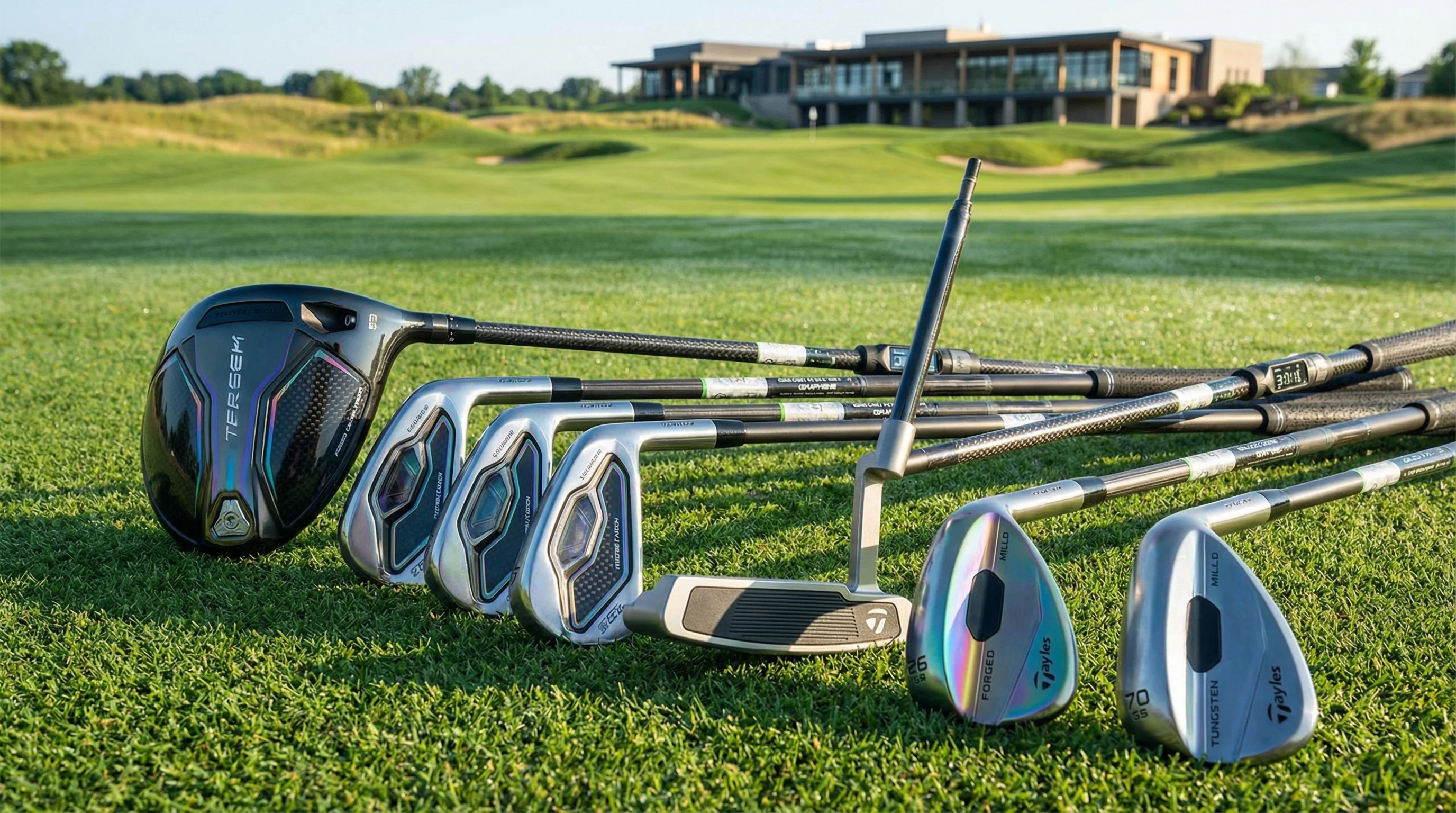
The Pulse of Modern Golf Club Technology
Walking through a pro shop or scrolling through club releases online, you’ll notice that club design isn’t stuck in the past. The big names in golf, like Titleist, Callaway, TaylorMade, and Ping, each push new tech almost every year. Drivers, irons, hybrids, and putters all get a high-tech makeover, promising better speed, forgiveness, or distance. It’s not just hype. New tech can change your game if you know what to look for and how to use it well.
Club upgrades have really picked up since the COVID boom, with more people taking up golf and expecting better results. Materials science, data tracking, and custom fitting have become standard these days instead of fancy extras. According to a 2023 National Golf Foundation report, equipment sales shot up, especially for clubs loaded with tech. More golfers now check out fitting labs and talk about launch angles, spin rates, and face inserts like pros.
Golf clubs with adjustable features, carbon crowns, and AI-designed faces have become the new normal. Even if you’re just a weekend golfer or trying to move up a level, this tech can make a difference. The key is spotting which features truly give you a boost and which are just flashy ads.
Core Concepts in Golf Club Design
Some terms and tech features in golf clubs come up all the time, so it helps to know what they’re about before spending any money. Here’s a simple breakdown of what’s popping up in new clubs lately:
- Forgiveness: Clubs built to help with off-center hits, making your shots more steady even when you don’t strike the sweet spot.
- Adjustability: Many modern drivers and fairway woods let you tweak things like loft and weighting to match your ball flight to your style.
- Face Technology: Inserts and variable thickness on the clubface, often cooked up with AI-design, can really crank up ball speed for extra distance.
- Multimaterial Construction: Using carbon, titanium, or tungsten throughout the clubhead lets designers move the center of gravity around and make it more steady.
- Custom Fit Options: Fitting studios now use launch monitors to pair you up with the right shafts and specs for your game, not just what’s on the floor.
While hunting for new clubs, you’ll see terms like “moment of inertia (MOI),” “center of gravity (CG),” and “spin rate” show up a lot. Getting comfortable with these makes picking clubs way less overwhelming.
How to Start Trying New Golf Club Tech
Getting started with the latest clubs is easiest when you really know your swing and what you want to step up. Here are some straightforward tips I’ve used, and I always recommend them for anyone ready to switch up their gear:
- Book a Club Fitting: Fitters use launch monitors to break down how your current clubs perform and figure out what could use a boost.
- Test Multiple Brands: Don’t just stick with one name. Clubs from even the big brands can feel completely different, so sample a few options.
- Pay Attention to Shaft Options: Shaft flex and weight often impact club speed and accuracy even more than the clubhead itself.
- Use Demo Days: Head out to manufacturer demo days at your course or local shop, so you can try before you buy. You’ll get real feedback on what clicks for you.
- Research Online Reviews: Look up what people with game styles like yours say about clubs you’re scoping out.
Most major golf shops include a free or discounted fitting with your purchase. Taking a video of your swing during a fitting can help you track your progress and understand how new tech might help. You also get a better idea of how clubs react to your personal tempo and swing shape.
Deciding Which Golf Club Features Matter Most
With so many fancy options, it’s easy to get lost in all the details. I like to focus on these key things when thinking about a new club:
- Distance Gains: Does this club help you actually get more distance, or is it mostly hype?
- Consistency: Are you hitting more fairways or greens with this club, or do your misses stay just as wide? Mobile shot trackers are handy here for stats.
- Feel and Feedback: Some love a soft, lively feel, while others want a more muted hit. Pick what makes your swing feel natural.
- Looks at Address: If a club sets up weird or looks off to you, it’ll likely creep into your mind over a round. Pick clubs that inspire confidence.
- Price-to-Performance: New gear can be pricey. Sometimes last year’s models give you nearly the same edge at much better prices, so checking deals is smart.
Understanding Common Club Tech Upgrades
Most club upgrades these days revolve around tweaks to the clubface and moving the weight around inside the head. AI-designed faces, tungsten-packed iron heads, and forged builds are becoming popular. TaylorMade’s Stealth line, for instance, uses carbon faces to lighten the club and pump up speed. Callaway’s Paradym drivers are built around a 360-degree carbon chassis to save grams for better balance. Mizuno JPX irons play with face thickness so the sweet spot gives you more power.
These updates offer eye-catching performance boosts if your swing matches up. From my testing, average swing speed players get more out of clubs with carbon crowns and lighter builds, making the game less of a grind.
Battery Life Isn’t an Issue, But …
Unlike drones or e-bikes, your clubs don’t need charging; it’s the connected extras like smart grips and analyzers that do. If you’re building a tech-savvy bag, double-check whether your clubs work well with these gadgets and keep an eye on the battery for those details instead.
External Factors to Think About
How a club performs indoors doesn’t always match what you find on real grass, especially in wind, rain, or cold. Weather, ground conditions, and even altitude can change how well clubs work for you. I always give new gear at least a few on-course sessions in different weather before deciding to stick with it.
Golf Club Tech Upgrades: Real-World Examples
New club tech has changed the game for all types of shots. Here are a few examples I’ve seen firsthand:
- Hybrids for Tough Rough: Clubs like the Ping G430 hybrid use flexible face wraps to handle thick rough, making it easier to get out without much effort. One friend with a slower swing picked up 10 to 15 extra yards and used to dread long iron shots in the deep stuff, but not anymore.
- Adjustable Drivers Off the Tee: Struggling with a slice? Swap to a driver like the Titleist TSR2 set to a draw bias and you’ll notice noticeably straighter drives fast. You don’t even have to change your swing.
- Techy Putters Make a Difference: Odyssey’s Stroke Lab putters use a multi-material shaft that helps spread the weight so your stroke stays steady. After my buddy switched, his putting stats improved and he felt more confident with every short putt—even when there was money on the line.
Another real-world win: A neighbor switched to clubs with vibration-dampening tech in the iron heads after elbow issues, and he said it eased up the pain so he could play longer without discomfort.
Golf Club FAQs: What Most Players Want to Know
Here are some questions I get from friends and other golfers about all this new technology:
Question: Do you really need the latest golf club tech to play better?
Answer: Not always. Sometimes the newest features patch up a specific weak spot, though consistent practice and getting fit will beat going out and buying whatever’s new most of the time.
Question: How long should you keep your clubs before upgrading?
Answer: If you’re noticing jumps in distance, accuracy, or just feel like your gear is holding you back, you might want to switch every 3-5 years. But clubs don’t wear out like running shoes; if yours are working, keep gaming them as long as you like.
Question: Are custom fittings worth it?
Answer: Absolutely. Custom fitting can help you get more out of your gear than just splurging on a high-end driver. If you swing uniquely or need a special shaft, a fitting pays off.
Does Golf Technology Make Golf More Fun?
Testing the latest techy clubs has absolutely given my game a boost, both for fun and performance. New clubs won’t magically fix every flaw, but when technology matches your swing, the game feels more rewarding. Easier launch, more distance, and a forgiving build take away a lot of the pressure, especially in friendly rounds.
Staying curious is the best mindset for golf gear. Don’t be afraid to ask questions, get involved with club fitters, and look up real reviews before you spend your cash. A techy new club might just be the shot in the arm your game needs—or it may spark fresh excitement to try new things.
Golf technology will keep changing fast, but the best advice is to keep learning, stay open to upgrades whenever your skill or fun hits a wall, and remember that getting outside with friends is still what golf’s all about, no matter what’s in your bag.