Starting golf can feel a bit overwhelming, especially with all the choices out there for clubs, bags, and accessories. I’ve seen a lot of beginners get stuck in the details, unsure about where to begin. Picking your first golf set is a big step and can shape your early experiences, plus your interest in sticking with the game for the long run. I’m here to share a step-by-step guide to help you find your way through your first golf set purchase so you can hit the course with real confidence.
What Makes Up a Beginner Golf Set?
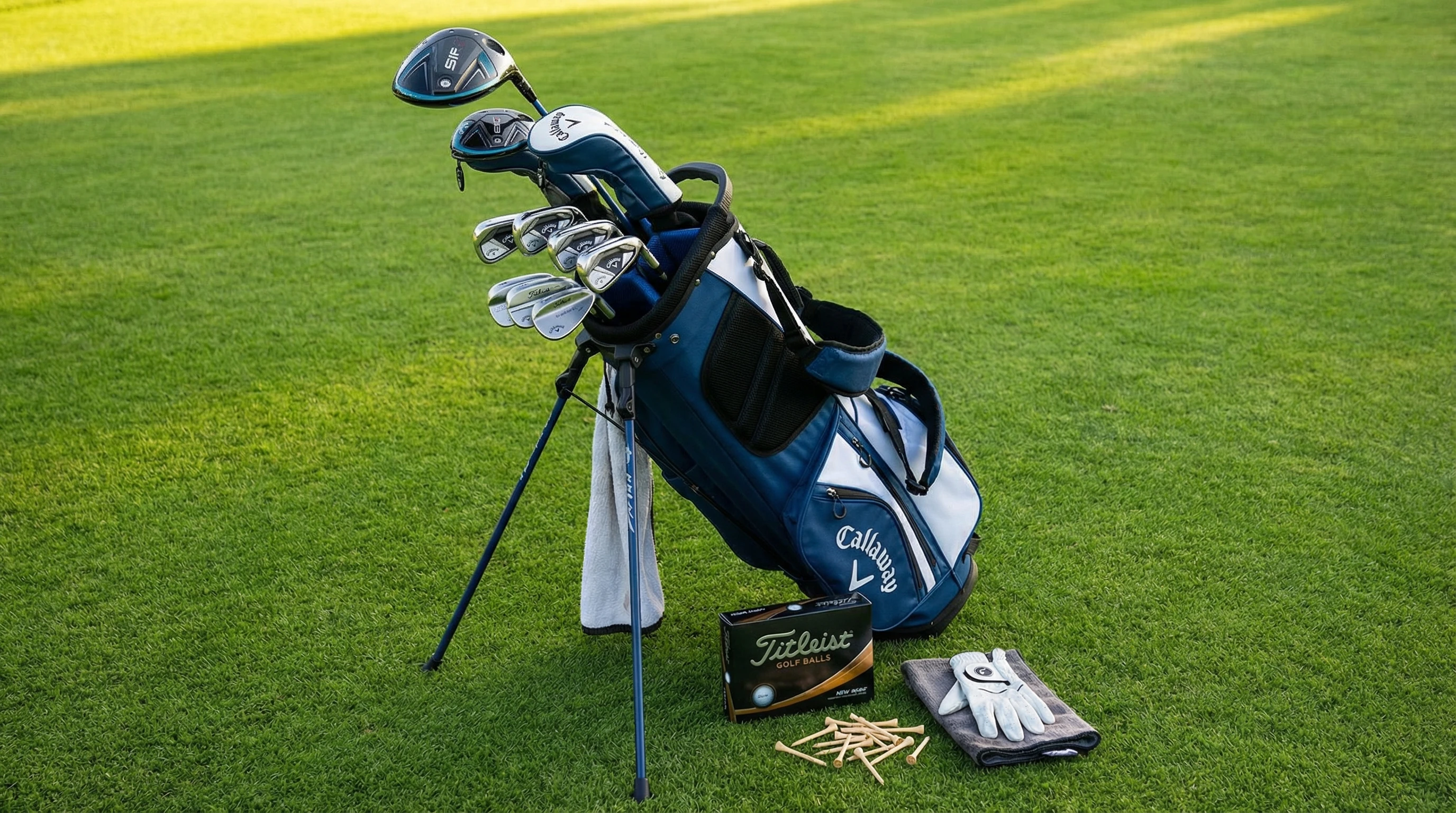
If you’re new to the game, the right golf set keeps it simple instead of flooding you with extra clubs and fancy features you might not even need. A typical beginner’s set usually includes a driver, a couple of fairway woods or hybrids, a few irons, a wedge or two, and a putter. These clubs handle everything you’ll face on the course without overwhelming you. Clubs that match in brand or design can make it easier to learn a consistent swing.
The global golf equipment market keeps on growing, and starter sets are now more affordable than ever. Nearly every big name—such as Callaway, Wilson, and TaylorMade—offers bundles aimed at newcomers. These sets may not be packed with the next-level cool details you’ll find in pro kits, but they’re just what you need to get started and improve.
Steps to Choosing Your First Golf Set
Walking into a pro shop or scrolling online, the sheer amount of choices can be pretty intimidating, but breaking the process down makes it manageable:
- Set a Budget: Figure out how much you want to spend. Entry-level sets usually cost from $200 up to $600 or more for mid-tier gear. Strike a balance between price and how often you expect to play.
- Pick the Right Number of Clubs: You don’t need the maximum 14 clubs. Most starter sets include 9-12, which is enough to learn the core skills and get comfortable.
- Choose the Right Shaft: Shafts usually come in steel or graphite. Steel is heavier and sturdier, adding control. Graphite is lighter and easier to swing, so lots of beginners like it. Try both if you get the chance.
- Look for Forgiving Clubs: Gear with bigger “sweet spots” and perimeter weighting is less punishing on off-center shots. I recommend cavityback irons to most new players; they’re much easier to hit than traditional blade irons.
- Fitting Is Important: Custom fitting is common for more experienced players, but some shops offer basic fittings for free or at a low cost to beginners. Make sure your clubs aren’t way too long or short—this can impact both comfort and your swing.
- Check for Package Deals: Plenty of well-known brands pack everything—clubs, bag, and headcovers—into complete starter sets. Buying a bundle usually saves money and gives you everything in one shot.
Core Clubs Every Beginner Set Should Include
A starter set doesn’t have everything, but some clubs are definitely must-haves in your bag:
- Driver: This is your go-to club off the tee. A big, forgiving head—usually with a 10.5° to 12° loft—makes it easier to get the ball airborne.
- Fairway Woods or Hybrids: These clubs help bridge the distance gap between the driver and your irons. Hybrids are especially userfriendly for beginners compared to traditional woods.
- Irons (usually 6-9): Key tools for shorter shots and approaches. Stick with cavityback designs for now.
- Putter: You’ll use this club the most. Both blade and mallet versions work well, so see which style feels right.
- Pitching or Sand Wedge: Needed for high, short shots and escaping sand bunkers.
Extra Details That Make a Difference
There’s definitely more to a golf set than just the clubs. A few well-chosen extras can give a boost to your playing experience:
- Golf Bag: Stand bags work well if you’re planning to walk most holes. Cart bags are roomier if you’re always riding. Look for bags with enough room for balls, a jacket, and even snacks.
- Headcovers: These protect your driver, woods, and putter from nicks. Most beginner sets include them, but make sure just in case.
- Glove: Wearing a golf glove on your lead hand improves your grip and prevents blisters.
- Tees and Balls: Stock up on budget-friendly golf balls and a pack of tees. Lose a few balls? Not a big deal if you haven’t spent too much on them.
- Divot Tool and Ball Marker: These simple tools help you keep the course in top shape as you play.
Common Mistakes to Avoid When Buying Your First Set
When I was just starting out, I made a couple of mistakes that are easy to avoid:
- Overloading your bag with clubs: There’s no need for every type of club at the start. Fewer clubs keep things simpler and easier on your wallet.
- Getting caught up in brands: Don’t be drawn in by flashy marketing. Plenty of popular brands make quality starter sets for less.
- Skipping the tryout: Get a feel for clubs by swinging them first if possible. Golf shops or demo events are great for this.
- Choosing clubs that don’t fit: Height, grip, even swing speed should matter when picking clubs. Gear that fits makes the game much more enjoyable.
- Buying from unknown sellers: Stick with trusted golf stores or the brand’s official site. Watch out for cheap knockoffs online.
Budget Tip
If you aren’t quite ready to spend on a new set, check out gently used sets or rental options at your local golf store. Many courses have weekend rental deals so you can give different sets a test run before buying.
What Accessories Should a Beginner Golfer Consider?
Accessories aren’t required, but they really can make your round more relaxing and organized. My top picks for first-timers:
- Golf Towel: Wiping dirt and moisture off your gear keeps it looking good and your grip steady.
- Ball Retriever: It’s a lifesaver for finding your ball in the water or deep in the bushes.
- Rangefinder or GPS: Not needed on day one, but these tools help you figure out distances once you’re ready to step up your game.
- Sunscreen and Water Bottle: A must when you’re outdoors for hours—stay protected and hydrated.
FAQ: Beginner Golf Set Questions
There are a few questions I get from new golfers all the time, so here are quick answers to help you out:
How much should my first golf set cost?
Basic sets usually go from $200 to $400. Spending more gets you things like upgraded shafts or a roomier bag, but you don’t need those extras when you’re just starting out.
Do I need all 14 clubs right away?
Nope! Most new players do just fine with 8-10 clubs and add on as they learn more.
Should I buy men’s or women’s clubs?
Base your choice on your height, swing speed, and hand size—not just the label. “Women’s” clubs are usually lighter and a bit shorter, which might suit smaller men, too.
Are used clubs a good plan?
Gently used clubs from a trusted store can save you money. Just check for major wear or bad grips. Clean club faces and straight shafts are key.
Which club deserves the most practice?
Spend lots of time with your putter and pitching wedge. Around half your shots will happen near or on the green, so sharpening these two clubs really counts.
Golf Set Shopping: Putting It All Together
Buying your first golf set boils down to knowing what to look for, steering clear of gear you’re not quite ready for, and above all, making sure you’re comfortable and having fun. The basics—a driver, a couple of hybrids or woods, a few forgiving irons, a putter, and a wedge—cover you for pretty much everything on a beginner’s course. Prioritize comfort, a little research, and a good fit, and you’ll find your first rounds more enjoyable and the game easier to stick with for the long haul. Have fun with your new adventure and hit the course confidently!