
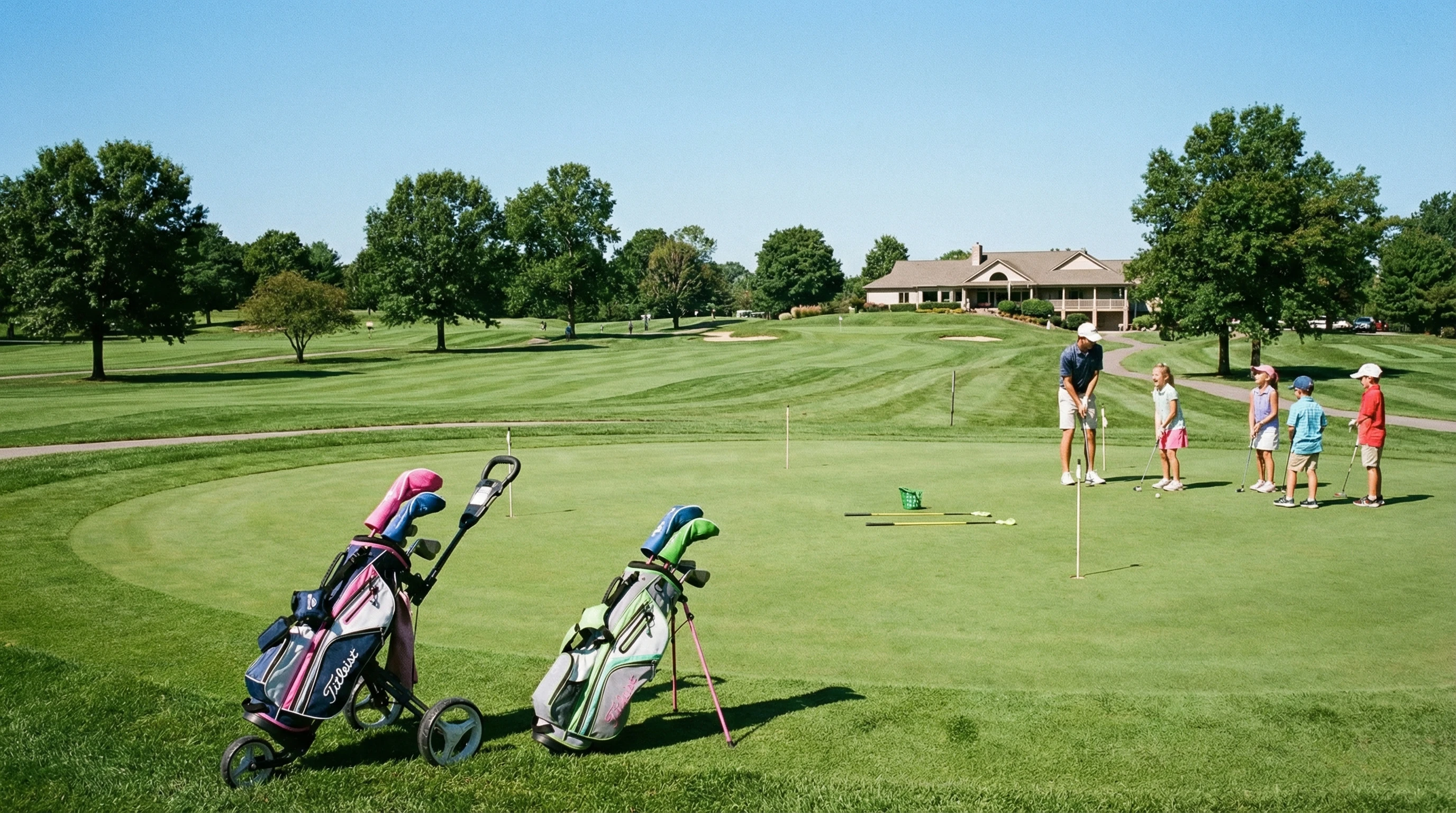
Golf lessons for kids go far beyond just learning how to swing a club. The game packs in a surprising mix of fun, skill building, and life lessons that can really help with a child’s growth. Whether you’re thinking of signing your child up for their first golf lesson or you’re just curious about what they’ll actually gain, I’ve seen how these lessons can really shape character and confidence in young players. I’m going to break down the top five benefits of golf lessons for kids, plus share some practical details that parents usually want to know before getting started.
Why Golf Lessons Are Worth Considering for Kids
Kids these days have so many activity choices, so it’s normal to wonder what makes golf different from other sports. Golf tends to combine physical activity, mental focus, and a pretty unique social environment. Because it’s played outdoors in a calm setting, it creates a cool mix of movement and mindfulness. Learning the basics with a pro helps kids build good habits from the start, so they’re not just figuring things out through trial and error.
Golf lessons also focus on more than swinging and putting. They often work in little lessons about respect, patience, and goal setting. Kids as young as four or five can start picking up these basics with age-appropriate drills and a casual, positive atmosphere. Plus, being outside in the fresh air helps brighten up their moods and teaches them to appreciate nature as they play.
The Top 5 Benefits of Golf Lessons for Kids
- Builds Lifelong Skills
Kicking off with practical skills that last a lifetime, golf is one of those sports you can enjoy all the way into adulthood. When kids start early, they develop muscle memory and coordination that stick with them, making it easier to play recreationally or competitively years later.
From gripping the club to judging distances, lessons focus on breaking down the game into smaller steps so it’s never overwhelming. By learning proper form and etiquette early, kids pick up the right habits. That’s something that can be tough to fix later if taught wrong. PGA Junior Golf’s resources for parents recommend regular instruction for steady progress and keeping the experience fun for younger children.
- Teaches Patience and Focus
Golf is famously a game of patience. Even adults can get frustrated waiting for a good shot or dealing with rough patches. Through lessons, kids get lots of practice slowing down, paying attention to details, and waiting for their turn. The environment is less about rushing and more about steady focus, which helps build attention spans and emotional control. Patience also helps kids handle stress and frustration off the course in everyday life.
This practice translates well into other areas, too. Kids who learn patience and self-control on the course often bring those skills back to the classroom. For example, I’ve seen students who struggled with sitting still for homework come back from golf lessons a bit more willing to stick with a tricky math problem. It’s amazing to see how focus learned outdoors can help indoors as well.
- Improves Physical Fitness
People might not always think of golf as a workout, but it actually offers a decent amount of exercise for kids, especially when they walk the course. Lessons help with balance, flexibility, core strength, and overall coordination. The swinging motion works both upper and lower body, and navigating a big fairway means more steps taken outdoors compared to spending time on a screen at home.
Some studies even show that kids who play golf regularly see improvement in hand-eye coordination and reaction times. Plus, being active outside is great for mood and general health. For children who don’t like rough, contact sports, golf gives a gentler but still active option. Golf complements other solo or team activities well, rounding out a child’s physical development.
- Encourages Friendships and Social Skills
Golf might look like a solo sport, but lessons are often taught in small groups or junior clinics, with plenty of chances for kids to encourage each other or work as a team. Since everyone is learning together, it takes some pressure off and gives kids opportunities to cheer on their buddies and make new friends with similar interests.
They’ll also learn the unwritten rules of golf, like respecting others’ turns, being honest about scores, and sharing equipment. These pieces of golf etiquette double as basic life skills. Teaching kindness, sportsmanship, and responsibility in a real-world environment helps little golfers grow into respectful and caring individuals.
- Boosts Confidence and Goal Setting
Not every kid is cut out for fast paced team sports, so golf gives a good alternative where personal improvement really stands out. Coaches encourage kids to set small goals, like hitting the ball straighter or putting fewer strokes on a hole. Seeing visible progress, especially after practicing a new skill, really bumps up self esteem. When a child achieves a goal on the golf course, it shows them that hard work pays off.
I’ve watched shy kids come out of their shells after mastering a new putting technique or getting praise from their coach. Golf also doesn’t have the same “bench time” as other sports. Everyone gets a turn and nobody is left out, which helps keep motivation high and gives all children an equal opportunity to shine.
What Parents Should Know Before Signing Up
There are a few things parents ask me all the time about golf lessons, so I’ll clear up the basics here to make the process a little easier:
- Finding Good Programs: Many local golf courses or country clubs offer junior golf clinics, summer camps, or private lessons. Asking about group size, coach experience, and the overall vibe (fun focused vs. competitive) helps you pick what fits your child best. Websites like the First Tee provide guides to beginner friendly programs in lots of communities.
- Equipment Needs: Starter clubs for kids are widely available and don’t need to be expensive. Most junior programs offer loaners to get started. It’s worth checking with the course before buying gear, since proper fit is important for learning good technique and avoiding bad habits.
- Scheduling and Expectations: Most lessons last between 30 and 60 minutes, and regular attendance helps kids build momentum. Coaches know when to keep things playful and when kids are ready for a bit more focused instruction. Consistency over time helps skills stick but keeping it fun is always key for long term success.
Challenges Kids May Face in Golf (and How to Handle Them)
No activity is totally smooth from the start, and golf can have a learning curve. Missing the ball, getting stuck in a sand trap, or feeling discouraged by the pace are pretty normal for beginners. Support from parents and coaches, plus a little patience, goes a long way. Reminding kids that progress matters more than perfection help them stay relaxed and have fun.
- Frustration: Kids might get frustrated if they don’t get the hang of a technique right away. Having a coach who’s upbeat and patient makes a big difference. Parents can also cheer on their kids and celebrate every small win.
- Weather Delays: Since golf is an outdoor sport, lessons might get called off for rain or extreme heat. Sites with an indoor practice range or backup plan are worth checking out for year round learning. Being prepared for weather changes keeps kids safe and happy.
- Keeping it Interesting: Mixing up drills, adding games, and focusing on short sessions all help keep younger kids engaged. Creative coaching can turn even tough lessons into something fun, especially if the focus is on play instead of pressure.
Boosting Success: Tips for Parents
Cheering your kid on, focusing on their effort (not just the score), and giving them chances to play casually with friends are three of my favorite ways to keep golf lessons fun and rewarding. Little celebrations after lessons, like a favorite snack or showing off their new skills to family, help keep motivation up. Making golf a bonding time with parents or siblings can also build happy memories beyond the scorecard.
How Golf Prepares Kids for Life Beyond the Course
Golf lessons might seem all about technique, but the life skills picked up along the way are pretty awesome. Kids build independence by finding their way around the course or keeping track of their score. They learn how to handle setbacks with a positive attitude. These lessons stick, even if your child never joins a tournament or becomes a daily golfer. Handling mistakes and learning to think calmly under pressure are lessons that will serve them throughout their adventure in life.
- Less Screen Time, More Green Time: Golf gets kids outside and moving. It gives their eyes and brains a break from constant digital input and helps create a better balance between tech time and outdoor fun.
- Respect and Responsibility: The “honor code” in golf, like counting your own strokes and respecting the course, carries over into academics, chores, and friendships. Responsibility picked up on the fairway helps children grow into trustworthy teens and adults.
Frequently Asked Questions
Question: At what age can my child start golf lessons?
Answer: Many programs welcome kids as young as four or five, often starting with easy games and short sessions. Older kids or teens can join beginner groups too, and progress at their own pace. There’s no bad time to get started if your child is showing interest.
Question: Does my child need their own clubs to start?
Answer: Most junior clinics have clubs for loan or rent. This saves you money at first and lets your child try out a few club sizes to see what’s comfortable before committing to a set. As your child grows or their interest grows, you can pick up the right equipment together.
Question: How do I keep my child interested in golf?
Answer: Look for coaches or programs that mix in games, prizes, and group activities. Celebrate small wins and encourage them to invite friends, making golf a social event as much as a sport. Sometimes, playing a round with family or watching pros together can spark new enthusiasm, too.
Golf lessons are a pretty great option for kids who want a blend of fun, skills, and friendships. Whether your goal is a future championship or just a little extra outdoor time, giving your child a shot at golf can lead to some awesome benefits both on and off the course. Jump in, cheer them on, and enjoy the ride as your young golfer grows and has fun.