
If you’re serious about lowering your scores on the golf course, it’s tough to ignore your short game, especially putting. Even for the pros, consistent putting is what keeps a round on track, and for casual players, it can make the difference between frustration and fun. Picking the right putter is a smart step toward getting those tricky three-putts under control. Here’s my take on what you need to know for choosing the top putters to improve your short game, along with some of the best picks available right now.
Why the Right Putter Matters for Your Short Game
Putter choice doesn’t just come down to looks or brand loyalty. The feel in your hands, visual alignment aids, and even the weight of the head all factor into how confidently you can roll the ball. If you’ve ever wondered why some putts just feel better or why certain models seem to work for specific players, a lot of it comes down to fit and technology.
Golf equipment, and putters in particular, have come a long way in terms of design. Modern putters offer features like improved face inserts, adjustable weights, and different head shapes to match your stroke style. These upgrades can help anyone from absolute beginners to weekend low-handicappers get the ball rolling smoother and more consistently. Technology in modern putters offers better forgiveness and a wider variety of styles, so you really can find something that feels natural and gives you confidence. The smallest preferences, even grip texture or toe shape, can add up to a big difference in your overall putting stats.
Choosing a Putter: Key Features Explained
Before getting tangled up in brand names, it’s worth checking out the most important features that influence how a putter performs. Here are the key things I always keep in mind when recommending putters to boost your short game:
- Head Shape: Blade and mallet are the two main types. Blades tend to appeal to players with a straighter putting stroke, while mallets often offer more forgiveness and alignment help.
- Face Technology: Inserts, grooves, or milling can affect the feel and roll. Some soft inserts give a muted feedback, while milled faces offer a firmer touch and cleaner sound.
- Length: A lot of golfers use putters that are too long or too short for them. Standard is around 34–35 inches, but smaller players or those with a more natural bend might want a shorter model.
- Alignment Aids: High contrast alignment lines or dots really help some players set up square to their target. Others find them distracting, so it’s a personal preference.
- Grip: A thicker grip helps take the wrists out of the stroke. Some prefer a traditional slim grip for more feedback and control.
- Shaft: Most standard putters use steel shafts, but there are options with graphite or even multimaterial shafts for more feel or stability.
Matching these features to your putting style and preferences is a pretty important step in boosting your confidence and performance on the greens. If you aren’t sure where to start, try a few different types at your local golf shop and notice which putter head shape, length, and grip style help you feel most comfortable over the ball.
Top Putters To Help Your Short Game
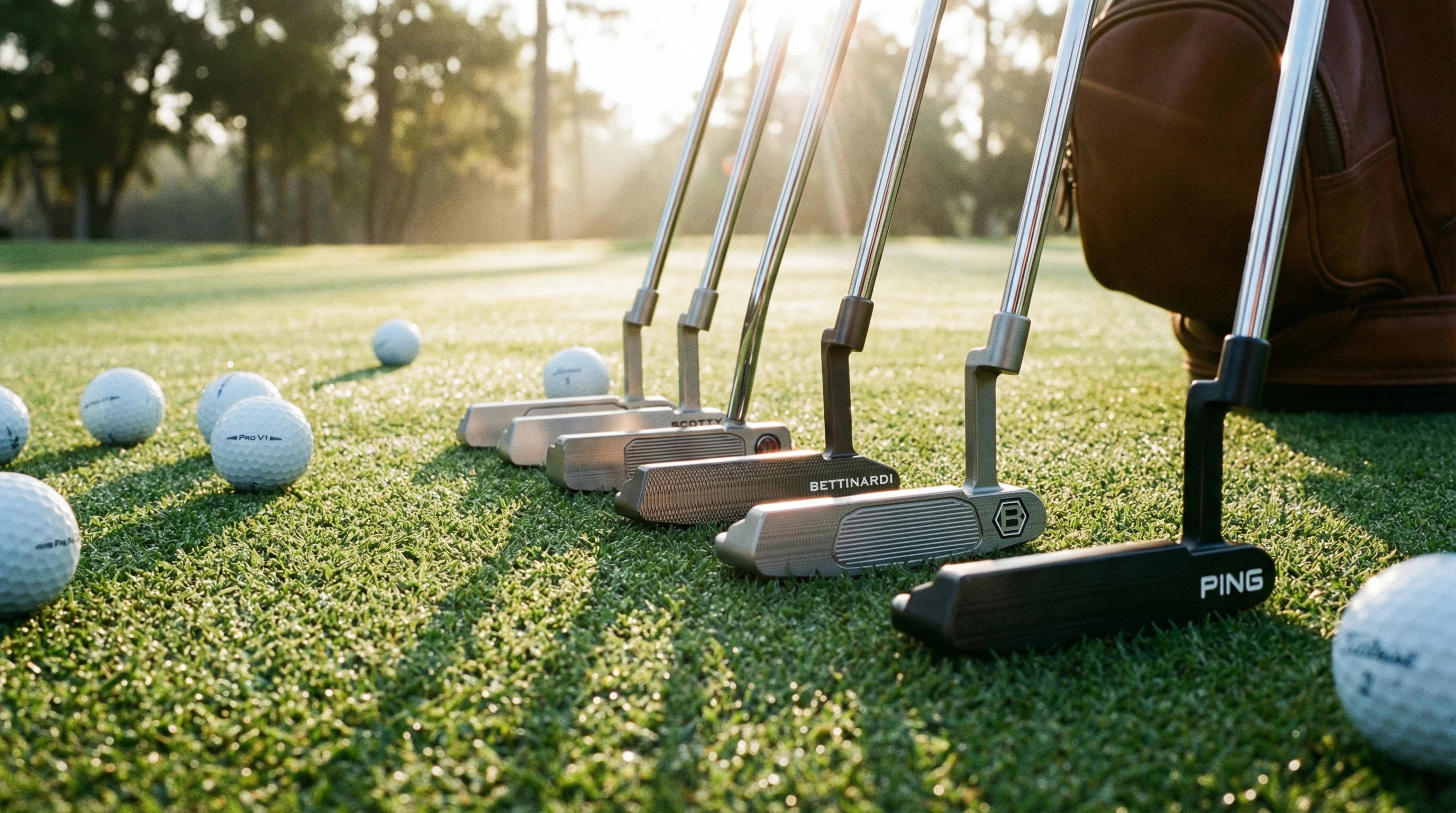
If you’re looking for specific recommendations, there are several putters out there worth considering that offer a great mix of performance, feel, and value. Here are several that stand out for a range of players:
- Odyssey White Hot OG Series: Odyssey’s White Hot inserts built a reputation for buttery-soft feel and consistent roll. The OG line brings back that classic insert tech and combines it with both blade and mallet shapes. Many golfers, myself included, find these putters great for distance control and feedback.
- Scotty Cameron Special Select Newport 2: This Scotty Cameron blade isn’t just for the tour pros. Its milled construction gives a crisp, solid feel, and the refined visual alignment helps build confidence behind the ball. While it’s on the pricier side, the build quality and consistent performance make the Newport 2 a favorite for a huge range of players.
- TaylorMade Spider Tour Series: Famous for its large, forgiving mallet head and high MOI (moment of inertia) design, the Spider Tour is known for keeping putts on line even on offcenter strikes. The high contrast alignment lines make aiming pretty straightforward for anyone who wants a little more help with setup.
- PING Heppler Series: The Heppler models feature solid steel and aluminum multimaterial construction, plus adjustable shaft length, which is handy if you’re experimenting with finding your perfect fit. Feedback is slightly firmer compared to softer insert putters, something a lot of traditionalists enjoy.
- EVNROLL ER2: The EVNROLL ER2 is a milled mallet putter featuring a unique groove pattern that helps deliver a true roll on putts off the toe or heel. This is especially useful for players who struggle with consistent contact.
- Cleveland Huntington Beach Soft Premier: Cleveland putters are nicely priced for the quality you get. The Soft Premier series brings a milled face to a budget friendly putter and comes in a range of head shapes, so you can find something for nearly any stroke or comfort preference.
All of these models have standout performance features that make them easy to recommend for anyone looking to step up their putting game. No matter your preferred look or feel, there’s something for everyone among these choices.
Getting Fit for a Putter
Buying a new putter isn’t just about picking what looks cool. Getting one that actually fits you makes a bigger difference than most people think. Fitting involves checking things like length, lie angle, grip size, and head shape to match your setup and natural stroke.
One of the most useful things I ever did for my own game was spending time with a club fitter. Tweaking the putter to match my eye and posture actually translated into less fidgeting over the ball and fewer missed short putts under pressure. Some golf stores and pro shops even offer complimentary fitting sessions if you’re in the market for a new putter, which is worth checking out. Even a basic fitting can make a clear difference in your comfort and alignment. Many shops also let you test putters on real greens, so you can feel the difference outside of a showroom.
Straightforward Tips to Improve Your Short Game with the Right Putter
Even the best putter won’t magically drain every putt, but these habits really help maximize your results:
- Practice With Purpose: Use putting drills that mimic real game situations, like lag putts from 30 feet or threefoot testers under pressure.
- Focus on Alignment: Mark a line on your golf ball and line it up with your target, using your putter’s alignment aid to square the face every time.
- Develop a Consistent Routine: Keep your pre shot routine the same on every putt. This helps focus your mind and nerves.
- Check Your Setup Often: Even small changes, like too much forward press or eyes not directly over the ball, can throw off your aim and roll.
- Track Your Stats: Use your scorecard or an app to log total putts per round and make note of how many are from inside ten feet. This helps spot patterns or areas for improvement. As you notice trends, you’ll figure out which drills or practice routines genuinely lead to progress. Keeping notes can boost your motivation and give you clear goals.
Common Short Game Mistakes (And How The Right Putter Helps)
Here are some mishaps I see a lot, many of which can be softened by a goodfitting putter or by selecting the right style for your stroke:
- Poor Distance Control: Lighter putters or those with very soft faces may leave putts short, especially on slow greens. Switching to a weightier model or one with a firmer face can make it easier to get the ball to the hole.
- Poor Alignment: Putter designs with bold alignment lines or contrasting colors can help you aim more accurately if you tend to push or pull putts.
- Inconsistent Stroke: Thicker grips help quiet the wrists, and mallet heads offer more forgiveness for offcenter hits or mishits.
Helpful Answers to Short Game Questions
Here are a few questions I get asked pretty often about putters and putting:
Q: Should I always use a mallet putter if I’m a beginner?
A: Not always. Mallets offer more forgiveness and alignment help, which is great for many beginners, but some find they prefer the feel of a blade. It’s best to try both and see what feels right for you.
Q: How important is face balance vs. toe hang?
A: It matters! If you have a straight back, straight through stroke, a face balanced putter can help. If your putting motion has more arc, a toe hang putter might perform better for you.
Q: Does length really make that much of a difference?
A: Absolutely. A putter that’s too long or too short makes it tough to get your eyes over the ball and set up comfortably. Most golfers actually do better with a slightly shorter putter than standard.
Final Thoughts: Taking Your Short Game Seriously
Picking a putter that matches your stroke and style can pay off pretty quickly with more made putts and better distance control. Whether you prefer the smooth roll from a classic blade or the confidence inspiring alignment help from a modern mallet, fitting and practicing with your putter is a key part of knocking shots off your scorecard.
Spending a bit of time researching and testing putters can make your practice sessions more enjoyable and translate into real improvement when it counts most. When your friends start asking what’s changed with your putting stroke, you’ll know you made the right call. Remember, the right putter can turn putting from a weakness into a strength. Focus on comfort and fit, then put in the practice time to build lasting confidence and consistency on the greens.