
Getting your head around golf club loft and lie angles can make a big difference to your game, even if you’ve just started out. Clubs aren’t just about the shaft or the grip. The way the clubhead sits on the ground and the angle of the face really affect ball flight. I’ve been through the confusion myself, so I’m breaking it down here in plain English, sharing some tricks and lessons learned along the way.
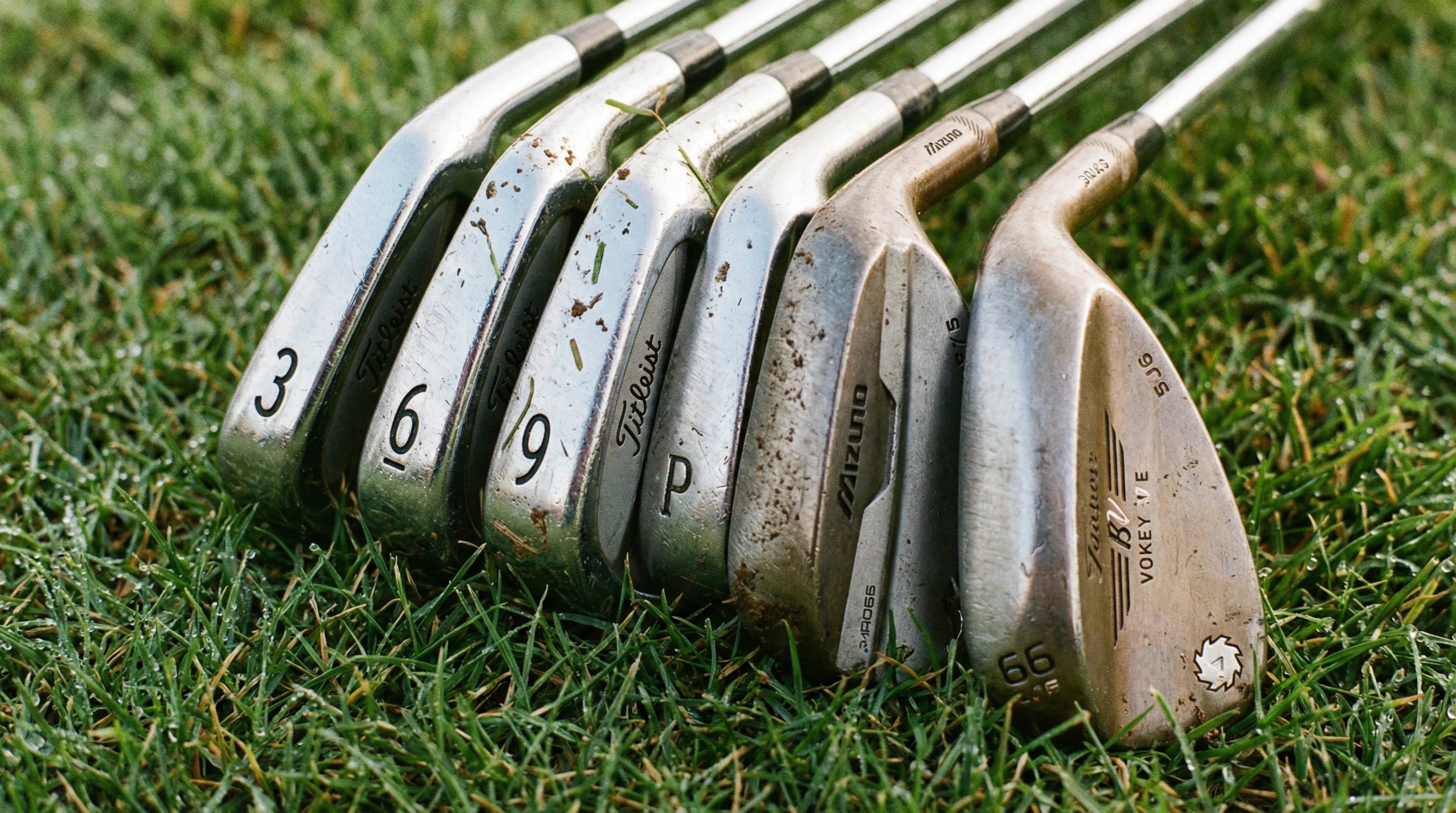
Why Loft and Lie Angles Matter in Golf Clubs
Both loft and lie angles might sound technical, but I’ve found they’re pretty easy to understand once you see what they do. The loft angle is how much the clubface tilts back. It’s mostly what gets the ball up in the air. Higher loft? The ball pops up higher and lands softer. Lower loft? The ball flies lower and tends to roll more after landing.
Then there’s the lie angle, which is the angle between the shaft and the ground when the club’s sitting flat at address. If the toe of your club is pointing up or down when you address the ball, your shots might start veering offline. Getting this right helps the ball go where you want it, which is important for those of us who’d rather not spend every round in the rough!
Club makers usually print the loft and lie specs on the manufacturer’s site or even on the club itself sometimes. But checking your own clubs or getting fitted can be a bit of an eye-opener. I didn’t know how much difference half a degree could make until I had it explained with my own swing.
Breaking Down Golf Club Loft: What It Does for Your Shots
Loft is basically what helps you get the ball airborne. Irons with higher numbers—like your pitching wedge or sand wedge—have more loft, which means higher, shorter shots. Lower-numbered irons have less loft for longer, lower shots. Drivers and fairway woods go even flatter for distance off the tee and fairway.
- High Loft (Wedges, Short Irons): Good for chips, pitches, and any shot you want to stop quickly on the green.
- Mid Loft (6-9 Irons): Handy for approach shots where you need a mix of distance and height.
- Low Loft (1-5 Irons, Driver): Used for power and distance, less for accuracy; these can be tough for beginners but a lot of fun if you hit them right!
Manufacturers sometimes tweak these lofts to add distance (known as “strong lofting”). That’s how you see new 7irons with less loft than older 6irons. Some older golfers prefer “weaker” lofts for more height. Knowing how “strong” or “weak” your irons are can help explain why you sometimes suddenly have gaps or overlaps in your distances. Loft can make a surprising difference in shot distance and control, so understanding your set is crucial to avoiding confusion during a round.
How Loft Adjustment Works: Strong vs. Weak Irons
If you hear someone talk about “strong” or “weak” irons, they’re talking about the way the loft has been adjusted. Making the loft stronger means reducing the angle, so your shots tend to go lower and farther. Weakening the loft makes the ball fly higher with more stopping power but usually less distance.
Why adjust? I’ve adjusted my 8iron before to close a yardage gap. Sometimes, players want all their irons to go specific distances so there’s no “dead zone” where no club fits. It’s also common to tweak loft if clubs don’t fit your swing speed or style.
For example, if you aren’t getting enough height with your irons, you could ask a club fitter to “weaken” your lofts a little bit. A word of warning: adjusting loft can affect the bounce and feel of a club, so work with a professional if you want to avoid odd results in your game. Getting expert advice can save frustration and money long term.
Golf Club Lie Angle Explained
Lie angle often gets ignored, but for me, it’s one of those super important specs that really shapes where my shots go. The lie angle is measured in degrees from the shaft to the sole of the club. If it’s off, even by just a couple degrees, you’ll notice the ball starts left or right of your target, especially on irons and wedges.
- Too Upright: The toe points up at address, and shots tend to pull left (for right-handed golfers).
- Too Flat: The toe drops down, and shots usually shoot out to the right.
Fitting your lie angle helps make sure the club makes even contact with the ground and the ball, avoiding odd slices or pulls. Most club fitters will check this using an impact board or special tape, but there are also ways to spot trouble at home. I realized I was using too upright a set when I saw all my divots were deeper at the heel, something worth checking if you’re struggling with accuracy.
Finding the Right Lie Angle for Your Height and Swing
Your ideal lie angle depends on your height, arm length, and swing style. Taller golfers or those with shorter arms often need a more upright lie, while shorter golfers or those with a flatter swing might use clubs with a flatter lie. If you have longer arms but are average in height, you can still end up needing flatter clubs; everyone is different here.
A general chart used by fitters is a decent place to start, but seeing where your club’s sole strikes the turf during a swing is the best way to dial it in. Even a couple of degrees in the wrong direction can turn a shot from straight to a slice or hook.
- Heel strikes first (upright lie): Shots will pull left, lie needs to be flattened.
- Toe strikes first (flat lie): Shots leak right, so lie angle should be made more upright.
The difference might not seem huge, but I’ve hit clubs that were off by two degrees and could barely hit the green with anything. After a proper fit, my shot pattern improved right away, which is pretty rewarding. Just a little checking and tweaking can make a noticeable improvement in consistency and confidence on the course.
How to Adjust Lie Angle on Irons at Home
Some golfers get their clubs professionally fit, but I know a lot of folks like to tinker. Adjusting the lie angle is possible at home with the right tools, but it’s important to be precise. Here’s how I’ve done it when I needed a quick tweak:
- Check your divot: After a shot, look at your divot pattern. Is it deeper at the heel or toe?
- Mark your shots: Put some masking tape on the sole and hit a few balls off a hard, flat surface (use a board, not your driveway). Check the tape for marks—more on the heel or toe means you need adjustment.
- Bending Bars: You can buy a lieloft bending bar online. It’s a strong metal bar that grips the hosel. Put the club in a vice with shaft protectors.
- Small changes: Gently bend the hosel either up (more upright) or down (flatter). Move in very small increments, around half a degree at a time. Too much force can break some clubs, especially cast irons.
- Re-test: Always check your results, because a little bit goes a long way. If you aren’t confident, most golf shops can do this quickly for a small fee.
Forged irons are easier to bend at home, while cast clubs can crack and should usually be left to the pros. If you don’t want to risk it, I suggest sticking with a certified fitter. It’s worth mentioning that even small mistakes can ruin the club or make shots unpredictable, so double check before you do too much at home.
Common Loft and Lie Angle Issues (and How to Fix Them)
I’ve seen beginners and even experienced players struggle with clubs that just don’t fit them right. Here are a few common loft and lie problems, along with ways to spot or fix them:
- Shots constantly go left or right: Might be a lie angle issue rather than your swing. Don’t always blame yourself if you see a pattern here; check those specs!
- Big gaps between iron distances: Could be caused by inconsistent loft gaps. Ask your fitter to check club lofts and see if a minor tweak will fix it.
- Thin or fat shots: Sometimes the way the club sits at address affects your contact, not just your swing mechanics. Try a few test shots to confirm.
- Difficulty getting the ball airborne: Clubs might have too strong a loft for your swing speed. See if a higherlofted club helps or ask a pro for advice on what suits your swing best.
Regularly checking the specs of your clubs every couple of years is a pretty handy way to keep your set in good working order. Something as simple as storing clubs in a hot car can sometimes cause slight changes to the angles, making maintenance worthwhile even if you’re careful.
Extra Tips for Getting Your Clubs Dialed In
After spending time with my own set and others’, I’ve picked up a few tips that make a real difference:
- Get a pro fitting if possible: I learned so much from just one session. You’ll walk away with numbers and clubs that really suit your swing. A pro fitter can customize recommendations, taking your entire game into account.
- Keep your notes: Track which lies and lofts work best for you if you ever replace a club. It’s easy to forget what fits you best, so jot down key specs and preferences as you learn more about your equipment.
- Re-check after swing changes: If you’ve changed your swing, your ideal angles might change too. Clubs that fit last season might not suit you after new lessons or practice routines.
The more you understand how loft and lie affect ball flight, the more you can dial in your clubs to match your swing. It’s not all about buying new gear; sometimes a simple adjustment is all you need for better results. You’ll be amazed at what a tiny tweak can do for your confidence and consistency on the course.
Frequently Asked Questions
How often should I check my golf club lie angles?
It’s a good idea to check lie angles every couple of years, especially if you play lots of golf or have made changes to your swing. New divot patterns or consistent shot direction changes are signs it’s time for a check.
Can I adjust both loft and lie at home?
You can adjust them at home if you’re careful and have the right bending tools, but it’s easier and less risky to take your clubs to a professional. Forged irons are more adjustable than cast ones.
What’s the best way to tell if my clubs need to be adjusted for my height?
If your shots consistently go left or right, or your divots are uneven, your clubs might not fit your body height or arm length. A fitter can compare your measurements and swing to a fitting chart for a quick answer.
If I buy new irons, should I automatically match my old loft and lie angles?
Not necessarily. Club designs change, and “loft creep” means newer irons may hit farther with the same number, so it’s best to have a fitter check your new set. Always confirm the actual numbers to avoid club distance overlaps or confusing gaps.
Wrapping up, learning about golf club loft and lie angles can open the door to better results without buying all-new equipment. Giving your clubs a once-over and making thoughtful tweaks leads to improved accuracy, confidence, and more fun on the course—definitely worth the effort!