If you’re new to golf, picking out the right clubs can feel like a maze. There are so many different shapes and styles, not to mention all those numbers and terms that don’t mean much until someone breaks it down. Today, I’m going to make sense of golf club types by walking through what each one does, what you should think about as a beginner, and how to line up your first set without going overboard.
Why Golf Clubs Matter for Beginners
Golf clubs aren’t just tools; they can make playing a lot more enjoyable. Club technology, weight, and design have all made big leaps, so even someone who’s just starting out can still get clubs that are forgiving and easy to swing. The right mix helps smooth out mistakes and lets you learn the basics with a lot less frustration.
Golfers used to only carry a handful of wooden shafted clubs, but manufacturers now offer clubs built for different swings and situations. Now it’s common to see bags with multiple drivers, hybrids, and specialty wedges. This explosion in options is a double-edged sword. It means more choice, but it also means it’s good to know what each club brings to the table.
Meet the Different Types of Golf Clubs
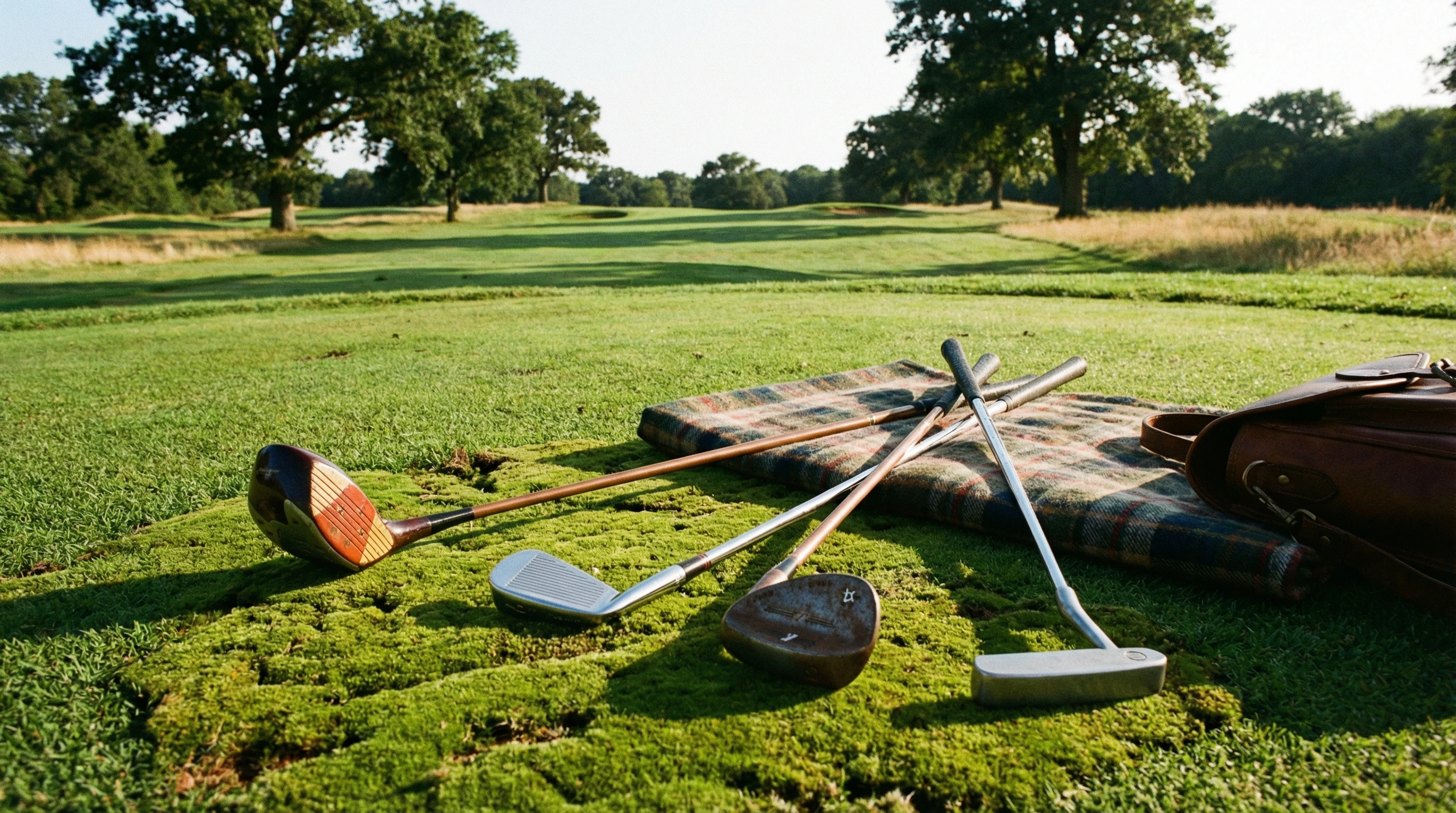
Every beginner set includes a mix of club types, each with its own purpose. Here’s a quick breakdown of the key types you’ll see in any golf shop:
- Drivers: The biggest club in the bag, used for long shots off the tee. It’s your go-to when you’re trying to get maximum distance down the fairway.
- Fairway Woods: Slightly smaller than drivers but still big hitters, these work on longer grass for distance shots when you’re not on the tee.
- Hybrids: Designed to be a blend of woods and irons, hybrids are easier to hit than long irons and super handy for tricky lies.
- Irons: These come in numbered sets (usually 4-9 for beginners), with higher numbers good for shorter, higher shots.
- Wedges: Specialized irons for getting out of sticky spots; think sand traps or rough, or for precise short game shots near the green.
- Putters: The flat faced club for rolling the ball smoothly across the green and into the hole.
The Basic Beginner Set: What Should You Have?
If you’re just starting out, you don’t need every single club out there. Most starter sets include:
- Driver
- One fairway wood (like a 3 wood)
- Hybrid (often a 4 or 5 hybrid)
- Irons (usually 6 through 9)
- Pitching wedge and sand wedge
- Putter
This mix covers almost every situation on the course, without overwhelming you with choices. Many golfers (myself included, back when I started) find that having a hybrid instead of a long iron makes it a whole lot easier to get the ball off the ground.
What to Know About Each Club Type
Driver
Drivers are built for distance. They have the biggest head, longest shaft, and are best used off the tee on par 4 and par 5 holes. Beginners should look for drivers with a larger clubface and higher loft (like 10.5 to 12 degrees) to help with forgiveness and to get more height on your shots.
Fairway Woods
Fairway woods give a good mix of distance and control, especially when you’re hitting from the fairway or light rough. While experienced players might carry a whole range of them, most newer players do fine with just one. A 3 wood is a go-to pick for most beginner sets.
Hybrids
Hybrids offer the best of both worlds: They’re easier to hit than long irons and can be used in a lot of different situations. I rely on mine when I’m in thick grass or facing a long approach shot. If you’ve ever struggled to get a traditional iron airborne, the hybrid feels like a lifesaver.
Irons
Irons (usually 6 through 9 for newbies) help you control direction and height. The lower the number, the further the ball goes, but also the harder the club is to hit. Most beginners do well with cavity back irons, which basically means there’s a scooped out back to make the club easier and more forgiving. These help you avoid those chunky or thin shots that haunt a lot of golfers early on.
Wedges
Wedges help with your short game, especially around the green. You’ll usually want at least a pitching wedge (PW) for short, high shots and a sand wedge (SW) for bunkers. There are also gap wedges and lob wedges, but you can always add those as you go. As you get comfortable, many beginners stumble upon specialty wedges and figure out which ones complement their style.
Putter
The putter is probably the club you’ll use most in a typical round. There are different shapes and sizes, but what matters most is finding one that feels comfortable and inspires some confidence inside ten feet! Some golfers prefer a mallet style putter for its steadiness, while others like a blade shape for its classic look. Spend time on the practice green and see what fits your stroke the best.
What Features Are Helpful for Beginners?
Certain club design features make golf a little easier when you’re starting out.
- Forgiving clubheads: Bigger clubheads with a wider sweet spot help with off center hits, which are super common when you’re getting the hang of things.
- Lighter graphite shafts: Shafts made of graphite are lighter, and that makes swinging easier for beginners (and people with slower swing speeds).
- Higher loft: Extra loft helps get the ball airborne and reduces sidespin, so your ball won’t drift offline as much.
Improvement sets, often called “game improvement clubs,” are basically designed for newer golfers. These clubs add features that help tone down bad shots. Your learning curve isn’t quite as steep when you make use of clubs that consistently help you find the fairway or avoid heavy rough.
The Buying Process: Things to Think About
A few details can make buying your first set of clubs a smoother ride:
- Budget: You don’t need to splash out on the latest and most expensive set. There are plenty of starter sets that give you quality and value. Open box or gently used sets can also be a smart move while you’re figuring out your preferences.
- Fit: Clubs should match your height and swing strength. Some stores offer basic club fitting, even for off the rack sets. It’s worth asking for help to make sure the club length, grip size, and shaft flex suit you. A properly sized set will give a boost to your swing and reduce fatigue.
- Try Before You Buy: If possible, test out some clubs at a sporting goods store or driving range. Getting a feel is really helpful, and it can keep you from buying clubs that just don’t match your swing.
An extra tip: If you’re left handed, make sure you’re getting clubs designed for lefties. Not every shop has them in stock right away, so you may need to check in advance or order online. Additionally, don’t hesitate to ask the shop pro for advice—they often have insight into what beginners in your area find helpful.
Common Beginner Mistakes (and How to Avoid Them)
- Trying to use a full set of 14 clubs right away; keep it simple and only add clubs when you feel comfortable.
- Picking clubs because they look next level cool, not because they suit your game.
- Ignoring fit; playing with clubs that are too long, too stiff, or with grips that feel awkward.
- Overlooking wedges or putters. Most beginners are obsessed with the driver, but so many shots happen around the green!
Another thing to keep in mind: don’t rush into specialty clubs because of social media trends. Focus on building solid fundamentals with your basic set, and switch up your equipment later as you grow your skillset.
Quick Reference: Real-World Example
When I first started playing, I went with a starter kit that skipped the tricky long irons and gave me a hybrid and cavity back irons, plus a basic putter. I noticed right away how much easier it felt to hit good shots, especially with the hybrid and forgiving irons. I slowly added a gap wedge and a second fairway wood as I got more confident and my game improved. Looking back, starting simple gave me time to build a solid base instead of getting lost in choices.
Frequently Asked Questions
What’s the best starter set for beginners?
Best selling entry level sets from brands like Callaway, Wilson, or Tour Edge usually have a driver, a fairway wood, a hybrid, irons, wedges, and a putter; pretty much everything you need. I tell friends to keep it simple and only upgrade after a year or two of regular play.
How do I know if a club fits me?
If you’re around average height (5’6″ to 6’1″), standard off the rack lengths usually work. If you’re a lot taller or shorter, or you have a slower or faster swing, talking to a pro or local shop can save you a lot of headaches. Experiment a bit and pay attention to comfort.
Are used clubs worth it?
Used clubs can be a smart option. Many shops check for quality, so you can save a bunch and still get solid performance, especially if you’re not sure you’ll stick with golf long term. Ask about return policies on used gear too, just in case something doesn’t suit you.
Ready to Build Your First Set?
Golf clubs come in all shapes, sizes, and prices, but there’s no need to stress over every detail when starting out. Focus on clubs built for forgiveness and comfort, stick to the basics, and be patient as you dial in your preferences. Over time, you’ll get a better feel for what you like, and the process will become a lot less confusing. Meanwhile, getting the right beginner set means you’ll have the confidence to get out there and actually enjoy the game from the very first round. As you get into golf, remember that having clubs you feel good about is a solid first step for unlocking your skills and having fun on the course.